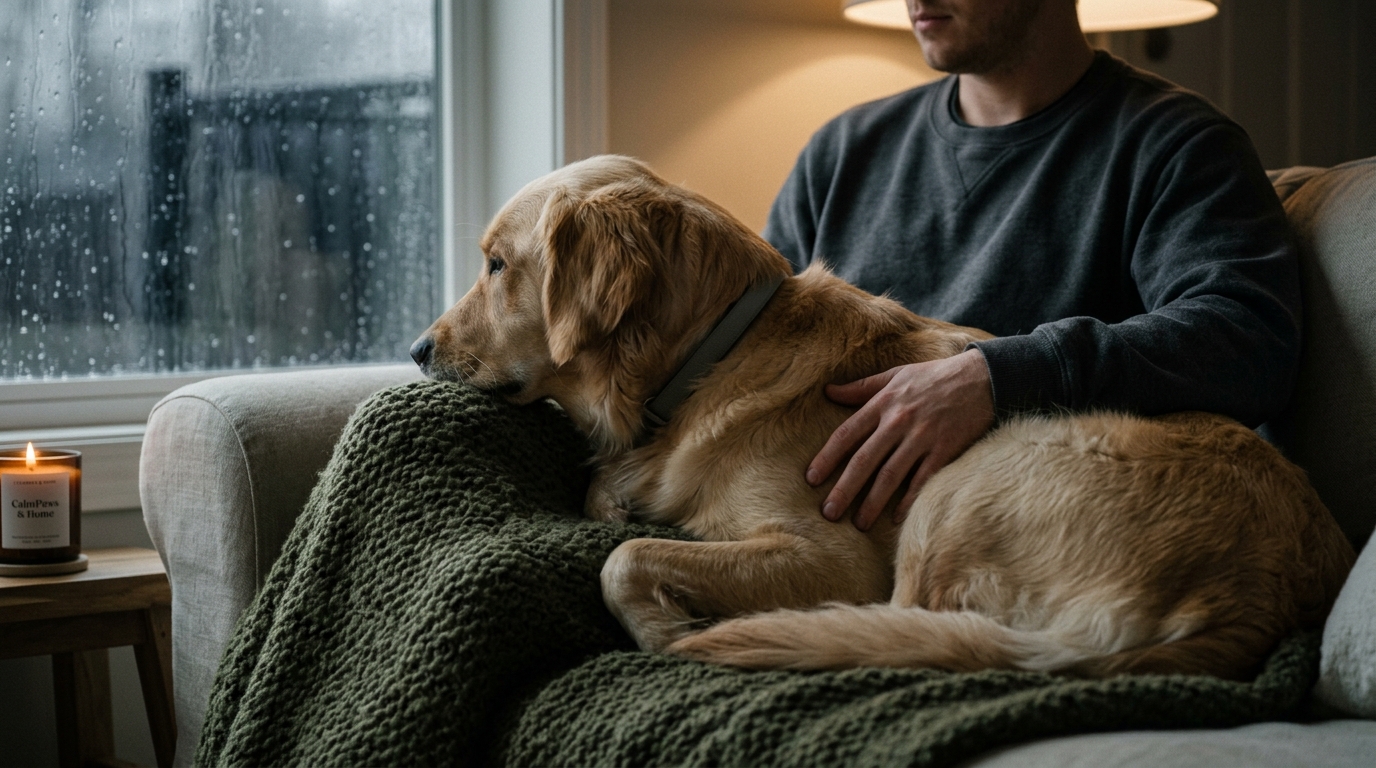
Canine noise sensitivity is a widespread behavioral challenge that affects a significant portion of the dog population. Research indicates that approximately 30 to 40 percent of dogs exhibit some form of noise phobia, ranging from mild unease to severe panic. This condition often stems from a combination of genetic predisposition and a lack of early socialization to loud, unpredictable sounds. When the sky darkens or the ground shakes, your dog's instinctual fight-or-flight response is triggered, leading to behaviors that can be dangerous for both the pet and the household.
Understanding the Fear Response
To effectively help your dog, you must first understand what is happening physiologically. Noise phobia is a legitimate medical and behavioral condition, not a sign of disobedience. When a dog hears a thunderclap or a firework, their amygdala, the brain's fear center, activates instantly. This bypasses the logical parts of the brain, making it impossible for the dog to "reason" their way out of the panic.
Thunderstorms present a unique challenge because they involve multiple sensory triggers. It is not just the loud boom that causes distress. The rapid drop in barometric pressure can cause physical discomfort in a dog's ears, similar to the feeling humans get during a flight. Additionally, the buildup of static electricity in the air may cause a tingling sensation on their fur, adding to the overall sensory overload. Recognizing these factors is the first step in building a comprehensive support plan.
Fireworks, on the other hand, are characterized by sudden, explosive noises and bright, flashing lights. Unlike thunder, which often has a rolling, predictable pattern, fireworks are erratic and unpredictable. This unpredictability makes it harder for a dog to anticipate the next event, thereby prolonging the stress response. The combination of visual and auditory stimuli creates a perfect storm for anxiety.
Creating a Safe Haven
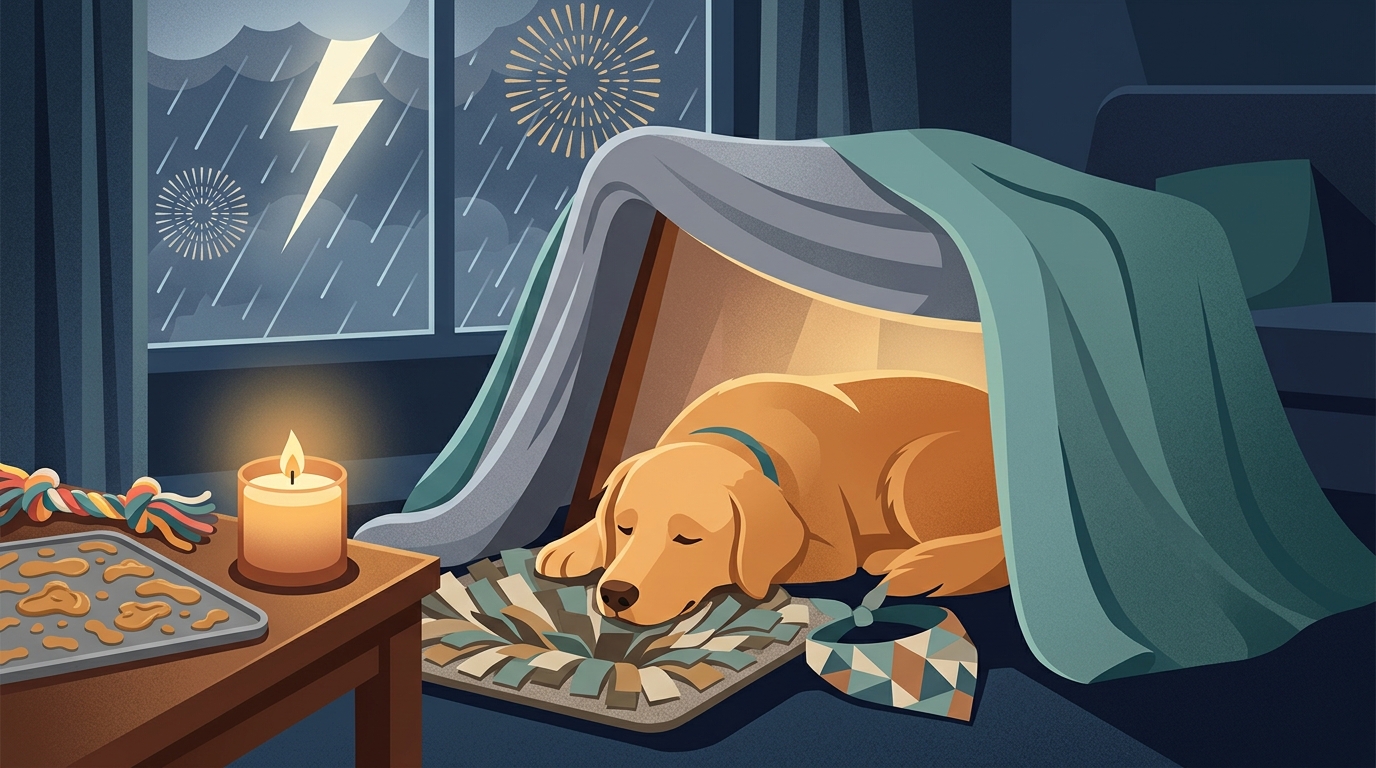
The most immediate intervention you can provide is the creation of a designated safe space. This area should be a quiet, interior room of your home, such as a basement, bathroom, or closet, where outside noises are muffled. The goal is to reduce the decibel level of the storm or fireworks to a manageable threshold for your dog.
Sound Masking Strategies
Complete silence can sometimes make sudden noises seem even louder by contrast. Instead, use sound masking to create a consistent auditory background. You can play white noise machines, fans, or calming music designed for dogs. The CalmPaws Journal frequently discusses the importance of environmental control in reducing canine stress. By maintaining a steady hum, you prevent the sharp spikes of thunder or fireworks from startling your pet.
Comfort Items and Scent
Fill the safe haven with familiar, comforting items. Bring their favorite bed, blankets, and toys into this space. If your dog has a specific comfort object, such as a worn t-shirt of yours, include it. Your scent provides a grounding effect that can help lower their heart rate. Ensure the room is dimly lit, as bright lights can exacerbate the fear of flashing fireworks.
Desensitization Techniques
While immediate comfort is necessary during an event, long-term relief requires desensitization and counter-conditioning. These are behavioral training methods that change your dog's emotional response to the noise from fear to neutrality or even positivity.
Desensitization involves exposing your dog to the sound of thunder or fireworks at a very low volume, one that does not trigger a fear response. You then pair this low-level exposure with high-value treats or play. Over time, you gradually increase the volume as your dog remains relaxed. This process must be done slowly and consistently to be effective.
Counter-conditioning works in tandem with desensitization. It focuses on changing the dog's association with the sound. Instead of associating the boom with danger, you teach them to associate it with something positive, like a delicious treat or a favorite game. This requires patience and a calm demeanor from you, as dogs are highly attuned to their owner's emotional state.
Building Independence
It is also crucial to teach your dog to be comfortable alone in their safe space. Being alone is a skill, not a personality trait. If your dog only spends time in the safe room when a storm is coming, they may view the room as a place of emergency rather than comfort. Practice having them relax in the space during normal, quiet times to build positive associations.
Managing Fireworks Night
Fireworks events, such as those on July 4th or New Year's Eve, require a proactive approach. Waiting until the fireworks start to react is often too late, as the dog may already be in a state of high anxiety. Preparation begins days in advance.
Pre-Event Routine
Ensure your dog gets plenty of exercise before the event. A tired dog is a calmer dog. Take them on a long walk or engage in a vigorous play session earlier in the day. This helps burn off excess energy and promotes natural relaxation. Avoid feeding a large meal right before the fireworks, as digestion can add to their discomfort.
Distraction and Engagement
During the event, engage your dog in a high-value activity. Use puzzle toys stuffed with frozen treats, such as peanut butter or broth. The licking and chewing motions help release endorphins, which naturally calm the nervous system. You can also try indoor enrichment games that tap into their natural sniffing instincts, providing a mental break from the external chaos.
Stay Calm Yourself
Your reaction sets the tone for your dog. If you panic, hug them tightly, or speak in a high-pitched, soothing voice, you may inadvertently reinforce their fear. Instead, act as if nothing is wrong. Ignore the behavior if it is mild, and only intervene if the dog is in distress. Your calm confidence signals to your dog that the situation is safe.
Product Support for Anxiety
While training is the foundation of long-term relief, certain products can provide additional support. The market offers various tools designed to help manage canine anxiety, ranging from physical pressure garments to sensory aids.
| Product Category | Function | Best For |
|---|---|---|
| Calming Bundles | Combines multiple sensory aids for comprehensive support. | Severe anxiety cases requiring multi-modal intervention. |
| Snuffle Mats | Encourages natural foraging behavior through scent work. | Mental stimulation and distraction during noise events. |
| Calming Candles | Releases pheromone-like scents to create a soothing environment. | Reducing ambient stress in the safe haven. |
| Rope Toys | Provides tactile engagement and chewing outlet. | Physical release of tension and focus shifting. |
Products like calming snuffle mats can be particularly effective because they redirect your dog's focus from the loud noises to the task of finding treats. This engages their brain and tires them out mentally. Similarly, full calming bundles offer a curated approach, combining scent, touch, and mental stimulation to address anxiety from multiple angles.
Key Takeaways
- Prevalence of Fear: Up to 40 percent of dogs suffer from noise phobia, making it a common but serious issue.
- Safe Space Creation: A quiet, interior room with sound masking and familiar scents is the first line of defense.
- Desensitization: Gradual exposure to low-volume noise paired with positive reinforcement can rewire fear responses.
- Proactive Management: Exercise and mental enrichment before fireworks events reduce overall stress levels.
- Owner Demeanor: Remaining calm and avoiding over-reassurance prevents reinforcing the fear behavior.
- Product Integration: Tools like snuffle mats and calming bundles support training efforts by providing distraction and comfort.
- Professional Help: Severe cases may require veterinary intervention, including anti-anxiety medication.
Frequently Asked Questions
How long does it take to desensitize a dog to noise?
Desensitization is a gradual process that can take weeks or even months. Consistency is key, and progress may be slow. It is important to never rush the process, as setting back the dog's comfort level can undo weeks of work.
Should I comfort my dog when they are scared?
This is a nuanced topic. While you should not ignore a dog in genuine distress, hugging or coddling them can reinforce the fear. Instead, offer calm presence and redirect their attention to a positive activity, such as eating a treat or playing with a toy.
Are calming collars effective for thunderstorms?
Calming collars that release pheromones can provide mild support for some dogs. However, they are rarely a standalone solution for severe anxiety. They work best when combined with environmental changes and behavioral training.
Can I use human anxiety medication for my dog?
Absolutely not. Many human medications are toxic to dogs. Always consult a veterinarian before administering any medication or supplement to your pet. They can prescribe safe, effective options tailored to your dog's specific needs.
What is the best toy for distracting a dog during fireworks?
Interactive puzzle toys stuffed with high-value treats are often the most effective. The mental effort required to get the treat helps distract the dog from the noise. Rope toys with treat balls are also excellent for keeping dogs engaged.
Why does my dog pace during a storm?
Pacing is a displacement behavior caused by high anxiety and an inability to cope with the stressor. It is a sign that the dog is overwhelmed and needs help managing their environment, such as moving to a quieter room or using sound masking.
How can I tell if my dog's fear is severe?
Signs of severe fear include panting, drooling, trembling, hiding, trying to escape, destructive behavior, and loss of bladder or bowel control. If you observe these signs, consult a veterinarian or a certified animal behaviorist immediately.
Get Started Today
Helping your dog overcome their fear of thunderstorms and fireworks is a journey that requires patience, consistency, and the right tools. By creating a safe environment, implementing desensitization techniques, and utilizing supportive products, you can help your pet feel more secure and relaxed. Visit calmpawshome.com to explore our curated collection of calming bundles, snuffle mats, and other essentials designed to bring peace to your home and your pup.