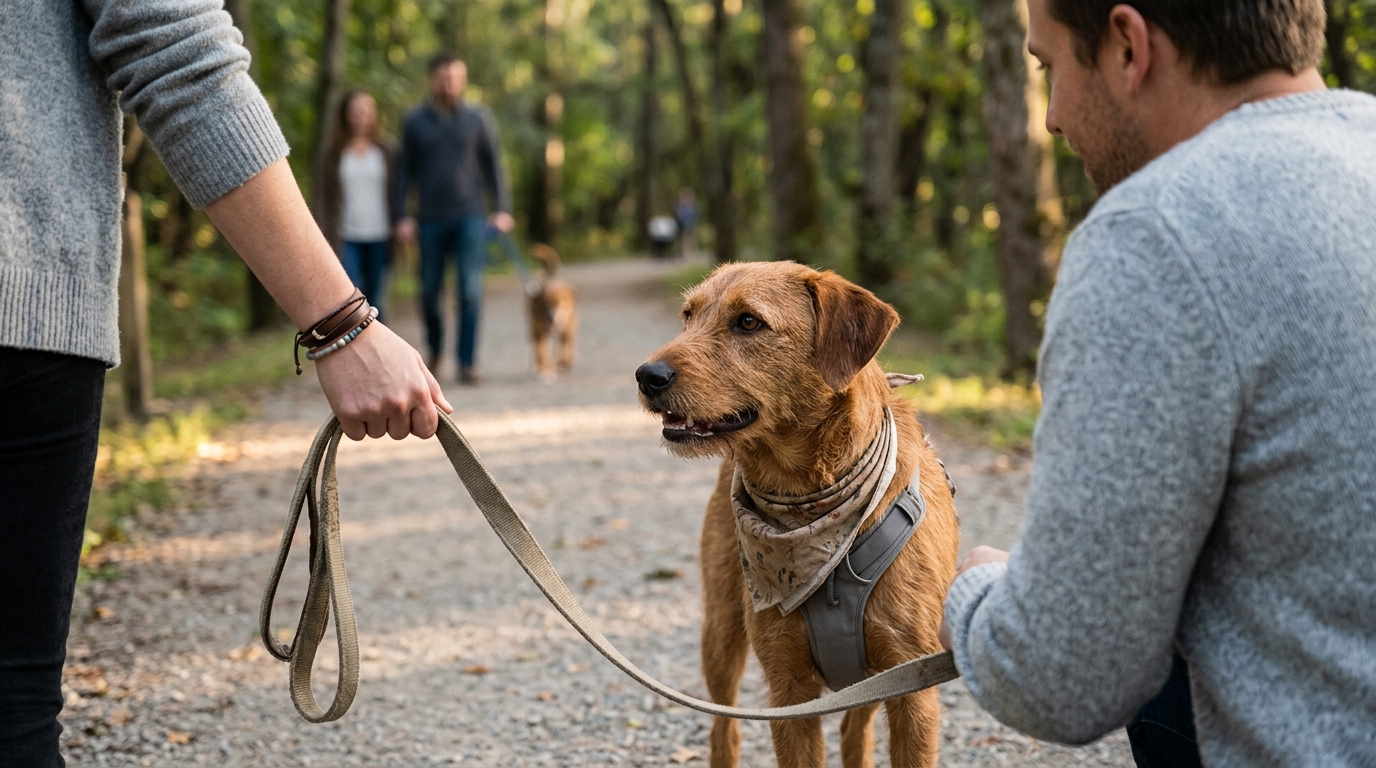
Leash reactivity is one of the most misunderstood behaviors in modern dog ownership. It is not aggression, but rather a complex emotional response to perceived threats. According to recent behavioral studies, approximately 20 to 30 percent of dogs exhibit some form of leash reactivity, making it a common challenge for pet owners. Understanding the root cause is the first step toward creating a calmer, more confident companion. This guide provides a structured approach to managing and reducing reactive behaviors through positive reinforcement and environmental management.
Understanding the Root of Reactivity
Reactivity is often a symptom of underlying fear, frustration, or anxiety. A dog that barks, lunges, or growls at other dogs or people is typically trying to create distance from a trigger they find overwhelming. It is crucial to recognize that punishment for these behaviors can worsen the anxiety, leading to more severe reactions over time. Instead, the goal is to change the dog's emotional response from fear or frustration to calmness or neutrality.
At CalmPaws & Home, we believe that a dog makes a house a home through comfort and understanding. By providing the right tools and knowledge, you can transform stressful walks into peaceful experiences for both you and your pet. The journey begins with empathy and a willingness to learn your dog's unique language.
Step 1: Essential Gear and Preparation
The right equipment can make a significant difference in managing reactive behaviors. Standard collars can sometimes exacerbate the issue by putting pressure on the trachea when a dog lunges. Consider using a front-clip harness or a head halter, which provides better control and reduces strain on your dog's neck.
Additionally, having high-value treats ready is essential. These should be treats your dog loves but rarely gets, such as small pieces of chicken, cheese, or specialized CalmPaws & Home bundles designed to promote relaxation. Being prepared with the right gear and rewards allows you to respond quickly and effectively when triggers appear.
Step 2: Mastering Distance and Thresholds
Distance is your most powerful tool in managing reactivity. The goal is to keep your dog below their threshold, meaning they are aware of the trigger but not yet overwhelmed. If your dog starts to react, you are too close. Increase the distance immediately and reward calm behavior.
Start your training in a quiet environment with minimal distractions. Gradually introduce triggers at a distance where your dog can notice them but remain relaxed. This process requires patience and observation. You must learn to read your dog's body language, looking for signs of tension such as stiffening, staring, or whale eye. The CalmPaws Journal offers additional insights into reading your dog's emotional state.
Step 3: Counter-Conditioning Techniques
Counter-conditioning involves changing your dog's emotional response to a trigger. The process works by pairing the appearance of the trigger with something positive, such as high-value treats. Over time, your dog will begin to associate the trigger with good things, reducing their anxiety.
Here is a simple protocol:
- Spot the trigger at a safe distance.
- Mark the moment with a clicker or a verbal marker like "yes."
- Immediately give your dog a high-value treat.
- Repeat this process as long as the trigger is visible.
- Stop when the trigger disappears.
Consistency is key. Practice this daily, gradually decreasing the distance as your dog becomes more comfortable. This method is supported by behavioral science and is widely recommended by certified professionals. American Kennel Club resources provide further details on this technique.
Step 4: Building Engagement and Focus
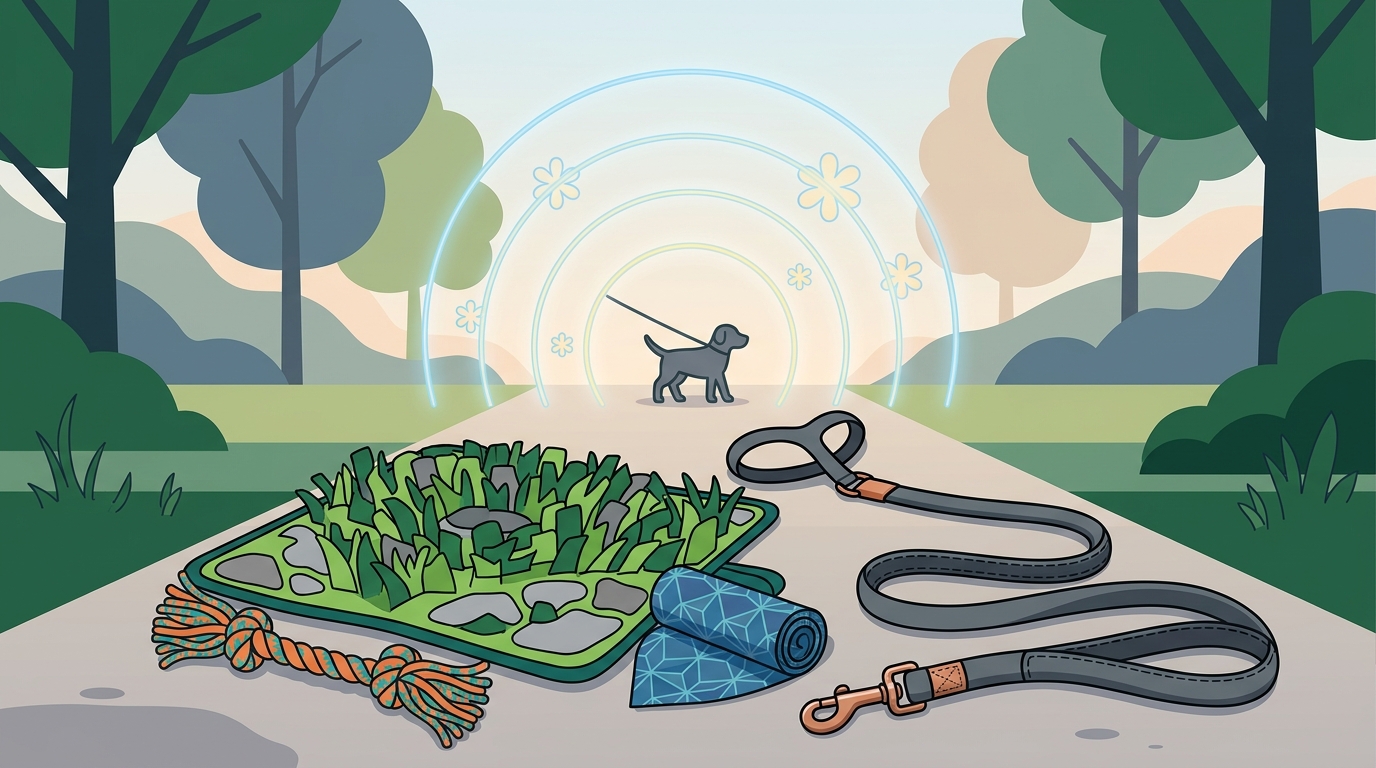
Teaching your dog to focus on you is crucial for managing reactivity. This involves training exercises that encourage your dog to look at you instead of the trigger. Start with simple commands like "look at me" or "watch me" in a low-distraction environment.
Gradually increase the difficulty by practicing in environments with mild distractions. Use engaging toys to keep your dog's interest and reward them for maintaining eye contact. This skill is particularly useful during walks, as it allows you to redirect your dog's attention before they become overwhelmed.
Step 5: Indoor Enrichment and Calmness
Reactivity is not just a walk problem. It is often a reflection of your dog's overall stress levels. Providing mental and physical enrichment at home can help reduce anxiety and improve behavior. Activities such as sniffing games, puzzle toys, and training sessions can tire your dog out mentally, which is often more effective than physical exercise alone.
Consider using digital downloads for structured training plans or calming aids like calming soy candles to create a soothing environment. A calm home environment supports a calm dog, making it easier to manage reactive behaviors outside the house.
Step 6: Establishing a Calm Routine
Predictability reduces anxiety. Establishing a consistent daily routine helps your dog feel secure and reduces the likelihood of reactive outbursts. This includes regular feeding times, walks, play sessions, and rest periods.
Ensure your dog has plenty of opportunities to decompress. Avoid over-scheduling and respect their need for quiet time. A well-rested dog is generally a calmer dog. ASPCA guidelines emphasize the importance of routine in reducing stress-related behaviors.
Step 7: When to Seek Professional Help
If your dog's reactivity is severe or does not improve with consistent training, it may be time to seek professional help. A certified dog behaviorist or trainer can provide personalized guidance and support. They can assess your dog's specific needs and develop a tailored plan to address their reactive behaviors.
Remember, you are not alone in this journey. Many pet owners face similar challenges, and there are resources available to help. PetMD offers comprehensive advice on understanding and managing canine reactivity.
Key Takeaways
- Reactivity is often a sign of fear or frustration, not aggression.
- Distance is your most powerful tool; keep your dog below their threshold.
- Use high-value treats to counter-condition your dog's emotional response.
- Proper gear, such as front-clip harnesses, can improve control and safety.
- Indoor enrichment and a consistent routine reduce overall stress levels.
- Focus training helps redirect your dog's attention away from triggers.
- Seek professional help if reactivity is severe or unmanageable.
Frequently Asked Questions
How long does it take to calm a reactive dog?
The timeline varies depending on the severity of the reactivity and the consistency of training. Some dogs show improvement in a few weeks, while others may take several months. Patience and persistence are essential.
Can I use a regular collar for a reactive dog?
It is generally recommended to use a front-clip harness or a head halter for reactive dogs. These tools provide better control and reduce the risk of injury compared to standard collars.
What are some good indoor activities for reactive dogs?
Sniffing games, puzzle toys, and short training sessions are excellent for mental stimulation. These activities help tire your dog out mentally, which can reduce anxiety and reactivity.
Should I punish my dog for reacting?
No, punishment can worsen anxiety and reactivity. Instead, focus on positive reinforcement and counter-conditioning to change your dog's emotional response to triggers.
How do I know if my dog is below their threshold?
A dog below their threshold will be able to take treats, make eye contact, and show relaxed body language. If they are stiff, staring, or unable to eat, they are above their threshold and need more distance.
Are calming products effective for reactive dogs?
Calming products, such as calming aids and pheromone diffusers, can be helpful as part of a broader strategy. However, they should not replace training and behavior modification.
When should I seek professional help?
Seek professional help if your dog's reactivity is dangerous, does not improve with training, or if you feel overwhelmed. A certified behaviorist can provide specialized support.
Start Your Journey to a Calmer Dog Today
Transforming a reactive dog into a calm companion is a rewarding journey that strengthens the bond between you and your pet. By implementing these steps and utilizing the right resources, you can create a peaceful environment for your dog and your family. Explore our bundles and gift sets to find the perfect tools to support your training. Visit CalmPaws & Home to discover more products designed to help your dog feel safe and secure.