

Choosing the right enrichment mat depends on your dog's chewing style, sensory preferences, and daily routine. A good mat provides mental stimulation through scent, texture, or food puzzles without causing frustration. This guide covers how to evaluate quality, verify safety claims, understand costs, and select the best option for your specific dog's needs. For additional details, review the Your Shopping Cart ndash.
How to Choose: What Separates Good from Bad
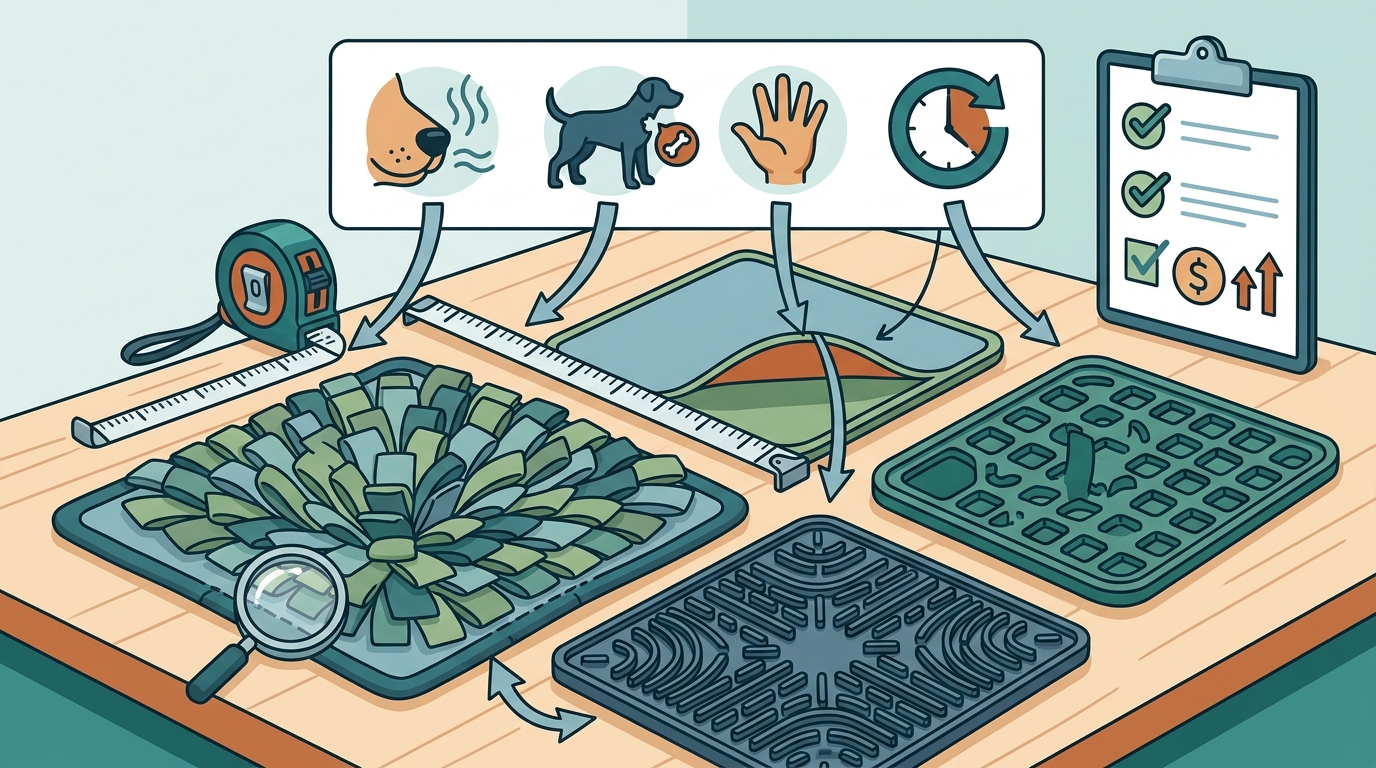
Enrichment mat is a textile or silicone surface designed to engage a dog's natural foraging instincts through scent, texture, or food distribution. The primary differentiator between a high-quality mat and a poor one is material durability and safety. Cheap mats often use synthetic dyes or loose stitching that can unravel and be ingested. Look for mats made from natural fibers like cotton or food-grade silicone. These materials withstand vigorous chewing and are easier to clean. A good mat should have a non-slip backing to prevent sliding on hard floors. This stability is crucial for dogs who pull or tug at the mat while working.
Material Composition
Natural cotton mats are ideal for dogs who prefer scent-based foraging. They are soft and absorbent, allowing for the use of wet food or kibble. Silicone mats are better for dogs who are heavy chewers or who prefer licking. Silicone is non-porous, making it hygienic and easy to sanitize. Avoid mats with plastic components that can break off. The seams should be double-stitched or welded to prevent fraying.
Size and Thickness
The size of the mat should match your dog's size and energy level. Small dogs do well with compact mats that fit in their mouth. Large, high-energy dogs need larger surfaces to spread food across. Thickness matters for durability. Thicker mats last longer and provide more tactile feedback. A thin mat may tear after a few uses, while a thick mat can last for months.
What to Ask: Specific Questions Before Committing
Before purchasing, ask specific questions to ensure the mat fits your dog's lifestyle. Do not rely on generic product descriptions. Ask the seller about the material origin and safety certifications. Inquire about the washing instructions and whether the mat can go in the dryer. Ask about the warranty or return policy if the mat fails quickly. These questions help you gauge the seller's confidence in their product.
Key Questions for Sellers
Ask if the mat is free from harmful chemicals like lead or phthalates. Ask about the manufacturing process and where the materials are sourced. Ask if the mat is suitable for puppies or senior dogs. These details are often omitted from main product pages but are critical for safety. A reputable seller will provide clear, detailed answers to these questions.
How to Verify: Checking Claims and Credentials
How to verify a safety claim involves checking for third-party certifications. Look for labels indicating that the materials are non-toxic and safe for pets. Verify the seller's reputation by reading reviews from other dog owners. Look for reviews that mention durability and cleaning ease. If a seller claims their mat is "clinically proven" to reduce anxiety, be skeptical. Enrichment mats are comfort items, not medical devices. Verify that the seller does not make unsubstantiated health claims.
Checking Certifications
Look for certifications from recognized safety organizations. These certifications ensure that the materials meet specific safety standards. If a seller cannot provide proof of certification, consider looking elsewhere. You can also check the seller's return policy to see if they stand behind their product. A strong return policy is a good indicator of product quality.
How It Works: The Process and Timeline
Step-by-Step Introduction
Begin by placing a few kibble pieces on the mat. Let your dog sniff and lick the mat to get used to the texture. Gradually increase the amount of food and the complexity of the puzzle. Monitor your dog's reaction to ensure they are not frustrated. If your dog gets frustrated, simplify the puzzle. The goal is to provide a challenging but achievable task.
What It Costs: Price Drivers
Price Ranges
What Goes Wrong: Common Mistakes
What goes wrong with enrichment mats often involves choosing the wrong size or material. A common mistake is buying a mat that is too small for your dog. This can lead to frustration and rapid wear. Another mistake is not cleaning the mat regularly. Dirty mats can harbor bacteria and mold. Avoid using mats with loose threads or small parts that can be ingested. Always supervise your dog when using a new mat. This prevents accidents and ensures safety.
Avoiding Frustration
Do not introduce too many new mats at once. This can overwhelm your dog. Introduce one mat at a time and allow your dog to master it before adding another. If your dog shows signs of stress, such as pacing or whining, stop the session. Take a break and try again later. Patience is key to successful enrichment.
Versus Alternatives: Mats vs. Other Toys
| Primary Function | Mental Stimulation | Dental Health | Calming |
| Material | Cotton or Silicone | Rubber or Rope | Silicone |
| Best For | Foraging and Puzzles | Chewing and Teething | Licking and Calming |
| Cleaning | Machine Washable | Hand Wash | Dishwasher Safe |
For a Specific Situation: Choosing for Your Dog
How the answer changes for a particular case depends on your dog's age, breed, and energy level. Puppies need soft, durable mats that are safe for teething. Senior dogs may prefer mats that are easy to lick and do not require much effort. High-energy breeds like Border Collies need complex puzzles to keep them engaged. Low-energy breeds may prefer simple mats that provide gentle stimulation. Consider your dog's specific needs when choosing a mat. A one-size-fits-all approach does not work for all dogs.
Age-Specific Recommendations
For puppies, choose mats made from soft, non-toxic materials. Avoid mats with small parts that can be swallowed. For adult dogs, choose mats that match their chewing strength. For senior dogs, choose mats that are easy to clean and use. Adjust the complexity of the puzzle based on your dog's cognitive abilities.
Rules and Protections: Safety Standards
Consumer Rights
Consumers have the right to accurate product information. Sellers must not make false or misleading claims. If a seller violates these rules, you can report them to consumer protection agencies. Keep your receipt and any communication with the seller in case you need to file a complaint. Your rights as a consumer are protected by law.
Local Specifics: US Buyer Considerations
Shipping and Returns
Consider the cost of shipping when comparing prices. A cheaper mat with high shipping costs may end up being more expensive. Check the return policy to see if you can return the mat if it does not fit your dog. A flexible return policy is a good sign of a reputable seller. Look for sellers with positive reviews regarding shipping and customer service.
Timing: When to Act
Seasonal Considerations
Consider the season when choosing a mat. In summer, choose mats that are easy to clean and dry. In winter, choose mats that provide warmth and comfort. Adjust your enrichment routine based on the weather. Indoor enrichment is more important in bad weather. Plan your mat usage accordingly.
Results Over Time: Long-Term Outcomes
Measurable Outcomes
Look for signs of reduced stress and increased engagement. Your dog may show more interest in the mat over time. You may notice a decrease in unwanted behaviors. Keep a log of your dog's behavior to track progress. Consistent use leads to better long-term results. Be patient and persistent.
Key Takeaways
- Choose mats made from safe, durable materials like cotton or silicone.
- Ask specific questions about material safety and washing instructions.
- Verify safety claims by checking for third-party certifications.
- Introduce mats gradually to avoid frustrating your dog.
- Consider your dog's age, breed, and energy level when choosing.
- Buy from reputable sellers with clear return policies.
- Use mats regularly for long-term mental and physical benefits.
- Monitor your dog's reaction and adjust the puzzle complexity as needed.
Frequently Asked Questions
How often should I use an enrichment mat?
Use an enrichment mat daily or several times a week. Consistency is key to providing mental stimulation. Adjust the frequency based on your dog's energy level and response.
Can I use wet food on a cotton mat?
Yes, you can use wet food on a cotton mat. Make sure to clean the mat thoroughly after use to prevent mold and bacteria. Air dry the mat completely before storing it.
Are silicone mats safe for puppies?
Silicone mats are generally safe for puppies if they are made from food-grade silicone. Ensure the mat is the right size for your puppy to prevent choking hazards. Always supervise your puppy when using a new mat.
How do I clean an enrichment mat?
Most cotton mats are machine washable. Silicone mats can be washed by hand or in the dishwasher. Check the manufacturer's instructions for specific cleaning guidelines. Clean the mat after each use to maintain hygiene.
What if my dog destroys the mat?
If your dog destroys the mat, assess the material and size. Choose a more durable material or a larger size. Consider using a mat with a non-slip backing to prevent pulling. Always supervise your dog when using a new mat.
Do enrichment mats replace exercise?
No, enrichment mats do not replace physical exercise. They provide mental stimulation, which is different from physical activity. Use mats in addition to regular walks and playtime for a balanced routine.
How long does it take for my dog to learn to use a mat?
Most dogs learn to use a mat within a few days to a week. Start with simple puzzles and gradually increase the difficulty. Be patient and reward your dog for their efforts.
Where can I buy high-quality enrichment mats?
You can buy high-quality enrichment mats from reputable pet product sellers. Look for sellers with positive reviews and clear safety information. CalmPaws & Home offers a variety of calming and enrichment products for dogs.