Canine anxiety during loud noises is a widespread issue affecting millions of pet owners annually. According to the American Veterinary Medical Association, noise phobia is one of the most common behavioral complaints in dogs, with estimates suggesting that up to 30% of the general dog population exhibits some level of fear during thunderstorms or fireworks. This fear is not merely a nuisance but a genuine stress response that can lead to destructive behavior, escape attempts, and long-term psychological distress. For many owners, the cost of professional behavioral training or prescription medication is prohibitive. However, effective management does not require a large budget. By combining environmental modifications, sensory tools, and low-cost behavioral techniques, you can create a safe haven for your dog without breaking the bank.
Understanding Noise Phobia in Dogs
Before implementing solutions, it is crucial to recognize the signs of noise anxiety. A dog experiencing fear during storms or fireworks may exhibit trembling, panting, hiding, excessive barking, or attempts to escape. This reaction is rooted in the dog's acute hearing, which is significantly more sensitive than human hearing. Sudden, loud noises trigger a fight-or-flight response that can be overwhelming for sensitive animals.
Calming pheromones are synthetic versions of the natural appeasing pheromones produced by mother dogs to comfort their puppies. These chemicals signal safety and security to the dog's brain, helping to reduce stress levels. While not a cure-all, they serve as a foundational tool in a broader calming strategy. Understanding the biological basis of this fear helps owners approach the problem with empathy rather than frustration, which is the first step toward effective management.
Creating a Safe Sanctuary at Home
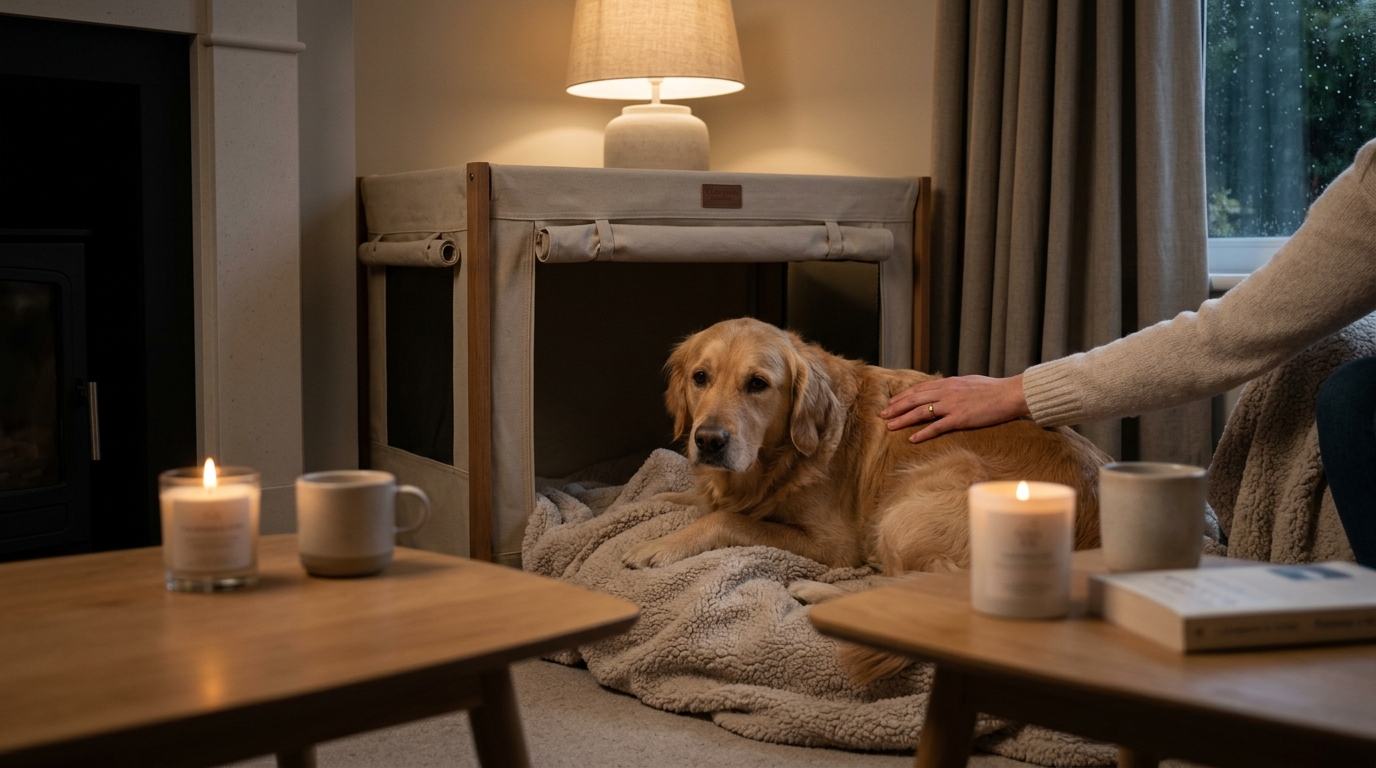
One of the most effective and budget-friendly strategies is to create a designated safe space for your dog. This area should be quiet, dark, and comfortable. Many dogs naturally seek out small, enclosed spaces like closets or under tables when they are frightened. You can enhance this natural behavior by setting up a specific "calm corner" in your home.
Sound Dampening Techniques
Reducing the intensity of external noises can make a significant difference. Simple household items can be used to dampen sound. Heavy curtains or moving blankets hung over windows facing the street can block both light and sound from fireworks. Additionally, placing rugs or carpets in the room where your dog spends time can help absorb echoes and reduce the overall noise level. These modifications are inexpensive and can be implemented immediately.
The Power of White Noise
3White noise machines or simple fans can mask the sharp cracks of thunder or fireworks. The consistent, low-level hum helps to smooth out the sudden spikes in volume that trigger a dog's fear response. You do not need to purchase expensive specialized devices; a standard box fan or a free white noise app on your smartphone can suffice. The goal is to create a sonic blanket that makes the loud noises less startling.
Sensory Calming Tools and Products
While DIY solutions are effective, certain products can provide additional support. At CalmPaws & Home, we focus on thoughtfully designed comfort pieces that aid in this process. These tools leverage sensory input to help regulate a dog's nervous system.
Calming Snuffle Mats
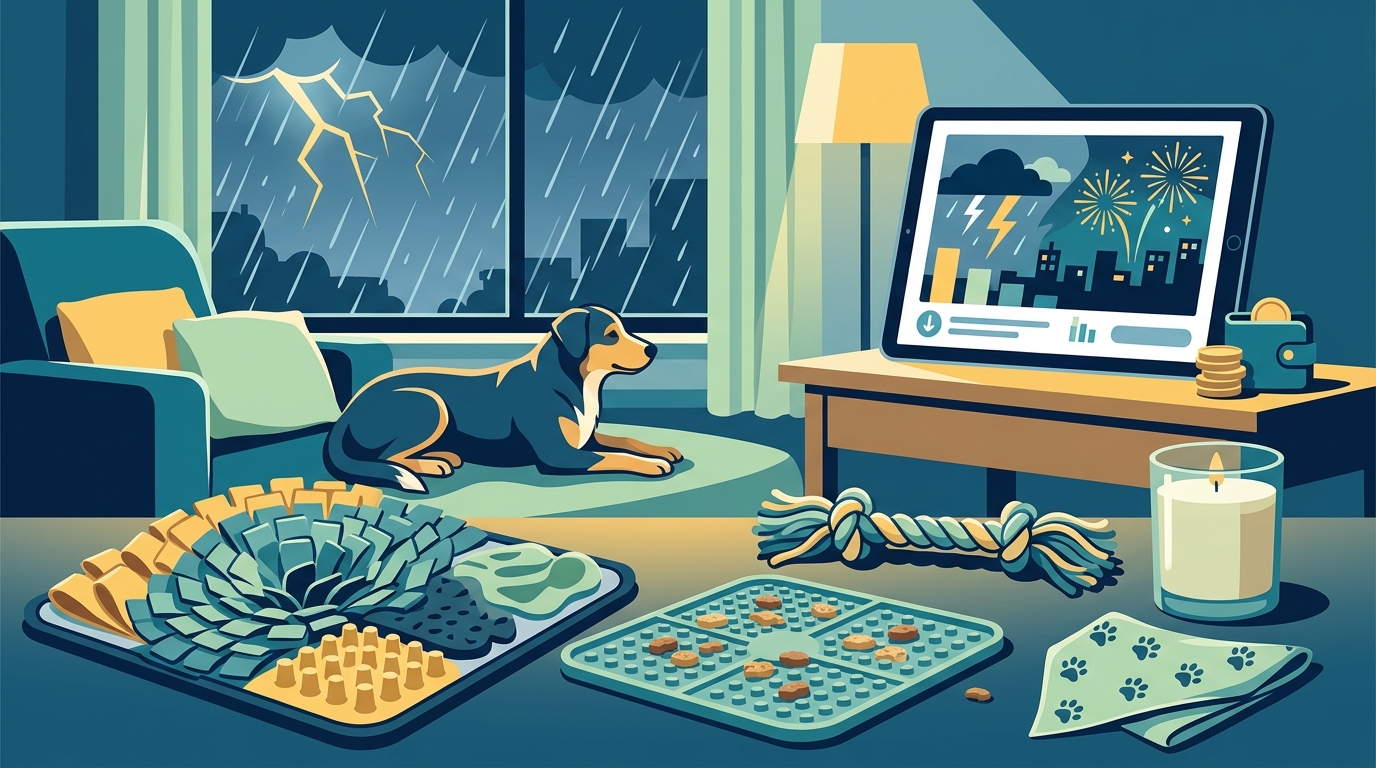
A snuffle mat is a foraging tool that encourages dogs to use their noses to find treats hidden within the fabric. Sniffing is a calming activity for dogs; it lowers their heart rate and reduces stress hormones. The Calming Snuffle Mat is designed to provide this mental stimulation, keeping your dog occupied and focused on a positive task rather than the noise outside. This is particularly useful during storms when you cannot control the environment.
Calming Soy Candles
For the humans in the household, maintaining a calm demeanor is critical. Dogs are highly attuned to their owner's emotional state. If you are anxious, your dog is likely to become more anxious. Using Calming Soy Candles infused with pet-safe essential oils can help create a serene atmosphere in the home. The gentle scent and soft light contribute to a relaxing environment for both you and your pet, reinforcing the sense of safety.
Interactive Rope Toys
Physical engagement can help burn off nervous energy. The Rope Toy with Treat Ball offers a dual benefit of physical play and mental enrichment. Engaging your dog in a game of tug or allowing them to work on the treat ball can distract them from the noise and provide a positive outlet for their anxiety.
Low-Cost Behavioral Techniques
Behavioral modification is the most powerful long-term solution for noise phobia. These techniques require time and consistency but cost nothing in terms of money.
Desensitization and Counter-Conditioning
Desensitization involves exposing your dog to the feared sound at a low volume that does not trigger a fear response. Counter-conditioning pairs this low-volume sound with high-value treats or play. Over time, the dog learns to associate the sound of thunder or fireworks with positive outcomes. Start with recordings of storm sounds played at a very low volume while feeding your dog their favorite treats. Gradually increase the volume over weeks or months, ensuring the dog remains relaxed at each step.
Building Independence
Dogs who are overly dependent on their owners may look to them for cues on how to react. If you constantly reassure a fearful dog, you may inadvertently reinforce the fear. Instead, practice calm independence. Ignore the behavior if it is not destructive, and engage in normal activities. This teaches the dog that there is no reason to be alarmed. For more insights on this topic, read our guide on Home Alone, Happily: Building Independence Without Separation Anxiety.
Comparing Budget-Friendly Options
Choosing the right combination of tools and techniques depends on your dog's specific needs and your household's resources. The following table compares common budget-friendly options based on cost, effectiveness, and ease of implementation.
| Method | Estimated Cost | Effectiveness | Implementation Difficulty |
|---|---|---|---|
| White Noise/Fan | $0 - $20 | High for masking sounds | Very Easy |
| Snuffle Mat | $15 - $25 | High for distraction | Easy |
| Soundproofing Curtains | $20 - $50 | Medium for light/sound | Moderate |
| Desensitization Training | $0 | Very High (Long-term) | Hard (Requires Time) |
| Calming Pheromone Diffuser | $20 - $30 | Medium | Easy |
Key Takeaways
- Noise Phobia is Common: Up to 30% of dogs exhibit fear during storms or fireworks, making this a widespread issue requiring practical solutions.
- Environment Matters: Creating a dark, quiet sanctuary with white noise is a critical first step in reducing sensory overload.
- Mental Stimulation Helps: Tools like snuffle mats engage a dog's nose, which naturally calms their nervous system and distracts from fear.
- Owner Calmness is Contagious: Maintaining a relaxed demeanor and using calming scents like soy candles can help stabilize the household atmosphere.
- Training is Essential: Desensitization and counter-conditioning are the most effective long-term strategies, requiring zero financial investment but significant time.
- Bundle Savings: Purchasing bundles, such as the Full Calming Bundle, can offer cost savings while providing a comprehensive toolkit for your dog.
- Consistency is Key: Regular use of calming tools and training techniques, even when no storms are present, builds resilience over time.
Frequently Asked Questions
How can I calm my dog during a thunderstorm without spending money?
You can create a safe space in a closet or under a table, use white noise from a fan or app to mask thunder, and engage your dog in play or training exercises to distract them from the noise.
Are snuffle mats effective for anxious dogs?
Yes, snuffle mats are highly effective because sniffing releases endorphins in a dog's brain, which has a natural calming effect. They provide mental stimulation that can distract from external stressors.
What is the difference between a calming collar and a pheromone diffuser?
A calming collar releases pheromones continuously around the dog's neck, providing portable relief. A pheromone diffuser releases the scent into a specific room, creating a localized zone of calm. Both are budget-friendly options.
Can I use essential oils to calm my dog?
Some essential oils like lavender can be calming for humans, but many are toxic to dogs. It is safer to use pet-specific calming products or soy candles designed for home ambiance that do not pose a risk to pets.
How long does it take to desensitize a dog to fireworks?
Desensitization is a gradual process that can take weeks or months. It requires starting with low-volume recordings and slowly increasing the volume over time while pairing the sound with positive rewards.
Should I comfort my dog when they are scared of storms?
While it is natural to want to comfort your dog, excessive petting and verbal reassurance can reinforce the fear. Instead, stay calm yourself and ignore the fearful behavior unless it is destructive.
What are the best budget-friendly bundles for dog anxiety?
Bundles that combine toys, mats, and calming aids, such as the 3 Rope Toy Bundle or the Snuffle Mat + Rope Toy Bundle, offer comprehensive solutions at a lower cost than buying items individually.
Shop Calming Products
Creating a calm environment for your dog does not have to be expensive. By combining low-cost behavioral techniques with thoughtfully designed products, you can help your dog feel safe and secure during stressful events. Explore our collection of calming aids, including snuffle mats, rope toys, and soothing candles, to build your own budget-friendly calming toolkit. Visit our Shop page to find the perfect solutions for your furry friend.