
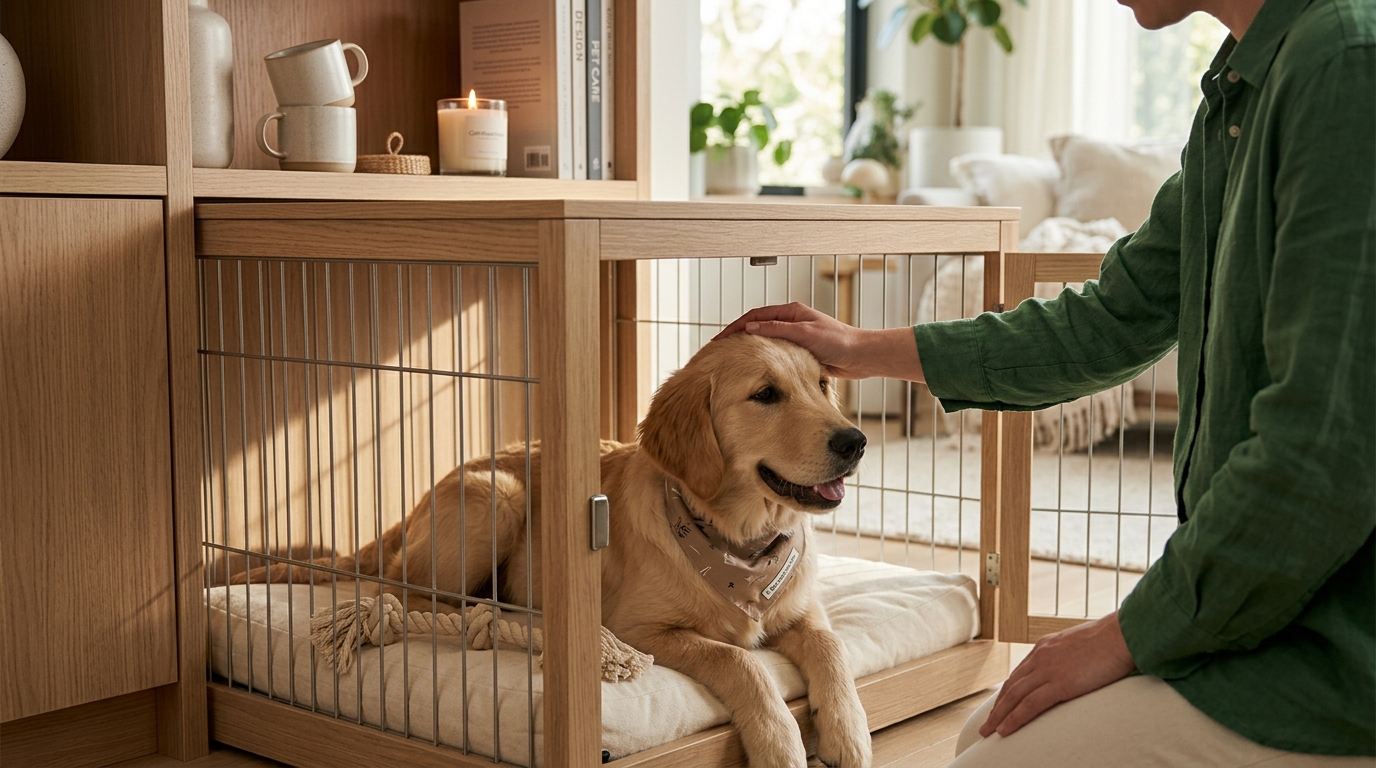
Creating a secure environment for your pet is not just about comfort; it is about fundamental safety and behavioral health. According to the American Veterinary Medical Association, proper housing reduces stress-related injuries by up to 40% in high-anxiety dogs. This statistic highlights why selecting the correct enclosure is a critical component of responsible pet ownership. Whether you are adopting a new puppy or managing an older dog with separation anxiety, the right home provides a sanctuary that protects both the animal and your property.
Understanding Your Pet's Specific Needs
Before browsing catalogs, you must assess your pet's behavioral profile. A calm dog requires a different setup than one with high energy or severe anxiety. The concept of a safe haven is central to canine psychology, providing a den-like space where the animal feels protected from environmental stimuli.
Consider your dog's history. If they have experienced trauma, a covered crate or a soft-sided enclosure might be preferable initially. Conversely, a powerful chewer needs a rigid structure. At Calm Paws Home, we emphasize that behavioral assessment should precede equipment purchase. This ensures the solution matches the root cause of the anxiety rather than just masking symptoms.
Additionally, consider the location within your home. Pets often choose spots with high traffic for security or quiet corners for retreat. Your chosen home should facilitate this natural instinct without obstructing household flow. Proper placement can significantly reduce barking and destructive behaviors.
Material Comparison and Durability
The construction material dictates the longevity and safety profile of the pet home. You generally have three main categories: wire, plastic, and soft-sided fabric.
Wire crates offer maximum ventilation and visibility. They are ideal for dogs that need to see their owners for comfort. However, they provide less privacy. Plastic kennels, often used for travel, offer a den-like atmosphere that calms many anxious dogs. They are durable and easy to clean but can retain heat.
Soft-sided homes are lightweight and portable. They are suitable for small to medium dogs with mild anxiety. However, they lack the structural integrity for powerful chewers. Understanding the structural integrity of your chosen material is vital for preventing escape or injury. For detailed reviews of durable materials, see our guide on durable pet kennels.
The Importance of Correct Sizing
One of the most common mistakes pet owners make is buying a crate that is too large. A crate must be just big enough for your dog to stand up, turn around, and lie down comfortably. If it is too large, the dog may use one corner as a bathroom, undermining the house-training process.
The standard rule is to measure your dog from nose to tail base and add two inches for length. For height, measure from the floor to the top of the head or ears, whichever is higher, and add two inches. This precise measurement ensures the ergonomic fit supports proper posture and comfort. Incorrect sizing can lead to joint issues and increased anxiety.
For growing puppies, consider a crate with a divider panel. This allows you to adjust the space as they grow, maintaining the appropriate scale without needing to buy multiple crates. This approach is cost-effective and ensures consistent comfort levels throughout their development.
Essential Safety Features to Look For
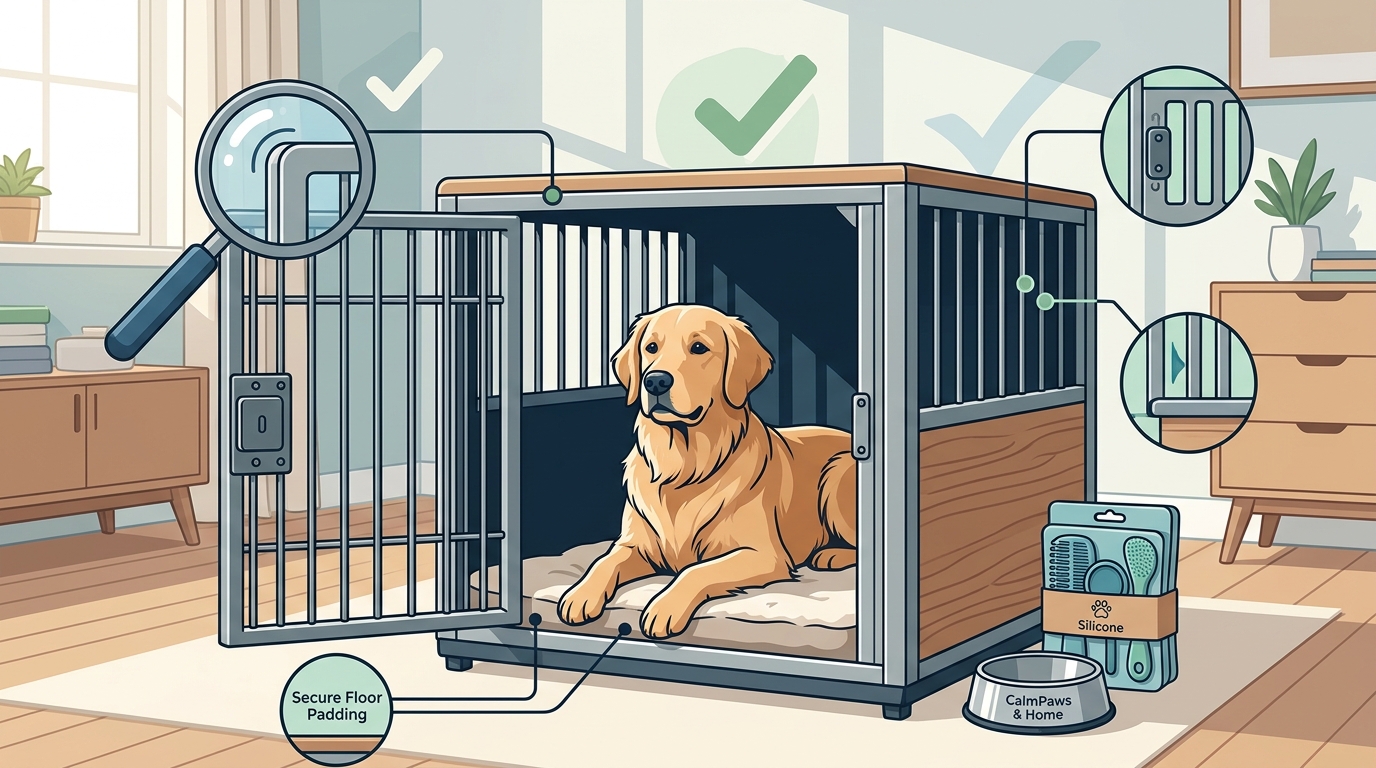
Safety is the non-negotiable priority when choosing a pet home. Look for rounded edges to prevent scratches and sturdy latches that cannot be easily manipulated by clever dogs. The material should be non-toxic and free from sharp metal burrs.
Ventilation is another critical safety aspect. Even in plastic crates, adequate airflow prevents overheating. Wire crates naturally offer better ventilation but may require padding to protect paws from cold floors. At Calm Paws Home, we curate products that meet rigorous safety standards to ensure peace of mind.
Consider the floor base as well. A solid, non-slip base prevents the crate from sliding on hardwood or tile floors. This stability is crucial for dogs that pace or shift weight frequently. A stable home feels more secure and reduces the likelihood of the dog feeling trapped or unstable.
Maintenance and Long-Term Care
Longevity depends on how well you maintain the pet home. Regular cleaning prevents odor buildup and bacterial growth. Wire crates can be wiped down with pet-safe disinfectants. Plastic crates should be washed with mild soap and water. Soft-sided homes often have removable, machine-washable covers.
Inspect the home regularly for wear and tear. Loose screws, frayed fabric, or bent wires can become hazards. Promptly addressing minor issues prevents them from becoming major safety concerns. For tips on extending the life of your pet gear, check out our pet care maintenance tips.
Odor control is also part of maintenance. Use absorbent pads or washable liners to protect the base. This not only keeps the home fresh but also makes cleaning easier. A clean home is a welcoming home for your pet, encouraging them to use it voluntarily.
Key Takeaways
- Behavior First: Assess your dog's anxiety level before selecting a material type.
- Proper Sizing: Ensure the crate allows standing and turning without excess space.
- Durability Matters: Choose wire or hard plastic for powerful chewers.
- Safety Checks: Inspect latches and edges regularly for wear.
- Cleanliness: Maintain hygiene to prevent odors and bacterial growth.
- Gradual Introduction: Use positive reinforcement to help your pet adjust.
- Professional Support: Consult experts like Calm Paws Home for personalized advice.
Frequently Asked Questions
How do I introduce my dog to a new crate?
Introduce the crate gradually using treats and positive reinforcement. Never force your dog inside. Start by leaving the door open and placing food near the entrance, then gradually inside.
What is the best material for a chewer?
Heavy-duty wire or reinforced plastic is best for powerful chewers. Soft-sided homes are easily destroyed and can be dangerous if ingested.
Can I use a crate for house training?
Yes, crates are excellent for house training because dogs naturally avoid soiling their sleeping area. However, they should not be used for excessive periods.
How often should I clean the crate?
Spot clean daily and deep clean weekly. Use pet-safe disinfectants to ensure a healthy environment for your animal.
What size crate do I need for my dog?
Measure your dog's length and height, adding two inches to each dimension. The crate should allow them to stand and turn comfortably.
Is a covered crate better for anxiety?
For many dogs, a covered crate provides a den-like feel that reduces anxiety. However, ensure adequate ventilation is maintained.
How do I stop my dog from barking in the crate?
Ignore the barking if you know they are safe. Reward quiet behavior. If the barking persists, consult a behaviorist for underlying issues.
Can I use a crate for travel?
Yes, many crates are airline-approved for travel. Ensure the crate meets airline regulations for size and ventilation.
Start Your Pet's Journey
Choosing the right home is the first step toward a calmer, happier pet. At Calm Paws Home, we are dedicated to providing the highest quality products and expert guidance. Visit our shop today to find the perfect fit for your companion. Contact our team for a personalized consultation and take the guesswork out of pet safety.