Comparing Calm Paws Home vs. Traditional Anxiety Solutions for Pets
Pet anxiety is a pervasive issue affecting millions of households, with recent behavioral studies indicating that over 50% of dogs experience some form of separation or noise-related distress. This widespread challenge has forced pet owners to evaluate a wide array of interventions, ranging from pharmaceutical prescriptions to behavioral training. The emergence of specialized home environments, such as those offered by Calm Paws Home, presents a distinct alternative to these conventional methods. Understanding the operational differences between these approaches is critical for making an informed decision that prioritizes both the animal's well-being and the owner's peace of mind.
Core Differences in Approach
The fundamental divergence between modern specialized solutions and traditional methods lies in their mechanism of action. Traditional approaches often rely on external intervention, such as medication or active training sessions, to manage symptoms. In contrast, specialized home environments focus on creating a consistent, low-stimulus ecosystem that naturally reduces cortisol levels in pets. This shift from reactive management to proactive environmental design represents a significant evolution in pet care philosophy.
When evaluating these options, one must consider the long-term sustainability of the solution. Medications may provide immediate relief but often come with side effects and dependency concerns. Behavioral training requires significant time investment and consistency from the owner. A dedicated calm space, however, offers a passive yet effective tool that works continuously without requiring active participation from the human caregiver.
Analyzing the Calm Paws Home Model
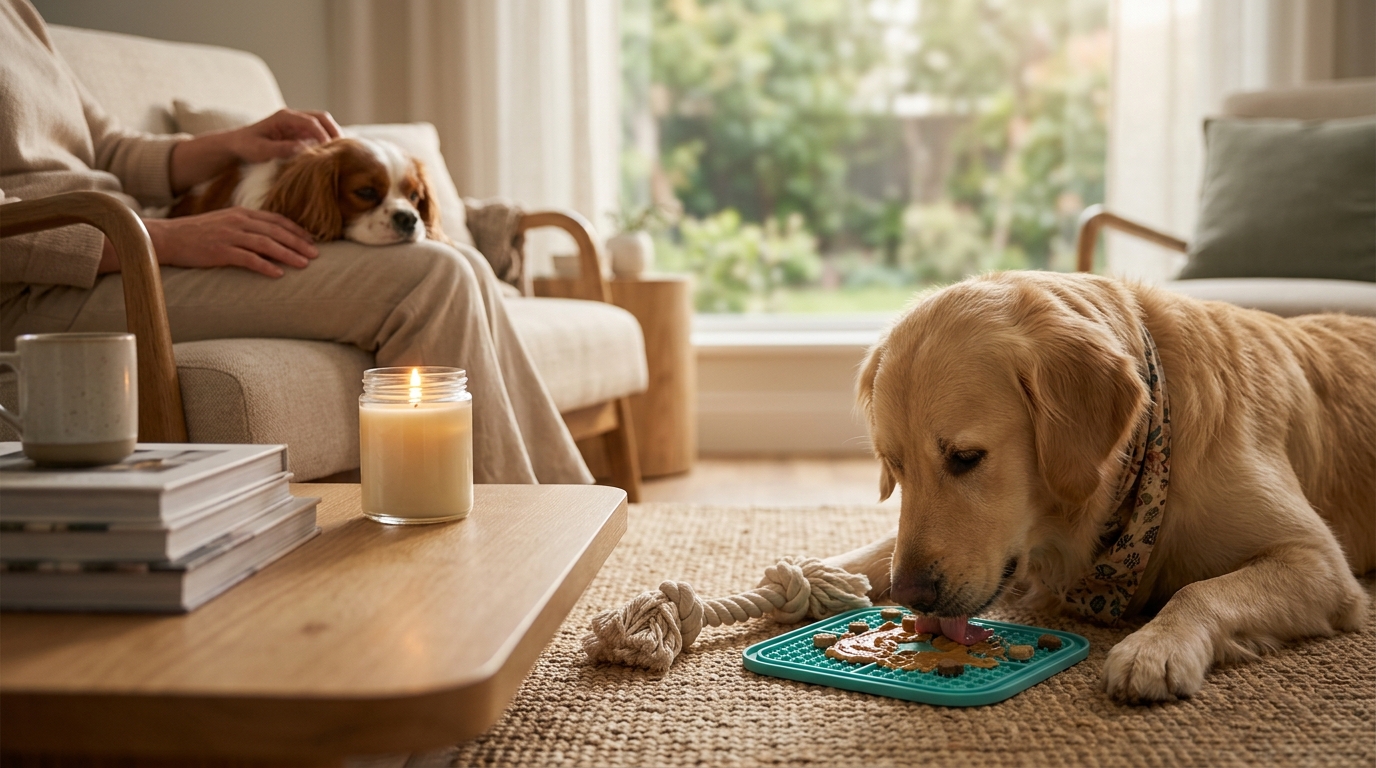
At the heart of the Calm Paws Home philosophy is the concept of a designated safe haven. Calming Zone is a specialized environment designed to minimize sensory overload and promote physiological relaxation in anxious pets. This approach leverages principles of environmental psychology, utilizing specific lighting, sound dampening, and spatial confinement to create a sense of security.
The operational specifics of a Calm Paws Home setup typically include adjustable lighting controls, white noise generators, and ergonomic bedding that supports joint health. These components work in concert to create a multi-sensory experience that signals safety to the animal's nervous system. For pet owners seeking a non-invasive solution, this model offers a scalable approach that can be adapted to various living spaces, from apartments to large homes.
Furthermore, the long-term benefits of such an environment extend beyond immediate anxiety reduction. By providing a consistent retreat, pets learn to self-soothe, which can lead to improved overall behavioral health. This self-regulation capability is a key differentiator from temporary fixes, offering a sustainable path toward emotional stability. For more insights into how environmental design impacts pet behavior, you can explore resources from the ASPCA on separation anxiety.
Traditional Anxiety Interventions
Traditional methods for managing pet anxiety have historically dominated the veterinary and pet care landscape. These approaches are generally categorized into pharmacological interventions and behavioral modification techniques. Each has its own set of advantages and limitations that must be carefully weighed against the specific needs of the animal.
Pharmaceutical Solutions
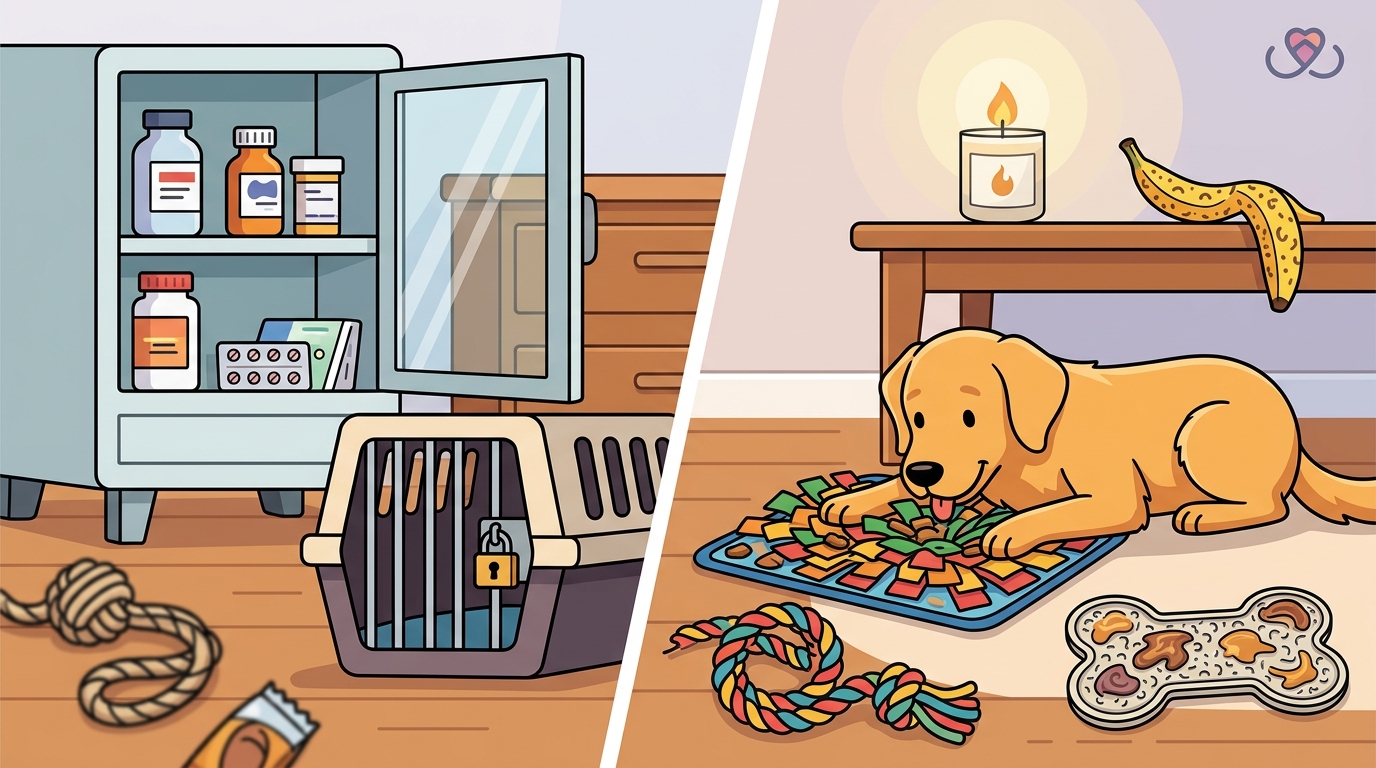
Medications such as SSRIs, benzodiazepines, and trazodone are commonly prescribed to manage severe anxiety in dogs and cats. These drugs work by altering neurotransmitter levels in the brain to reduce fear responses. While effective for acute episodes, they often require ongoing veterinary supervision and can cause side effects such as lethargy or gastrointestinal distress. According to data from the Veterinary Information Network, long-term use of these medications must be monitored closely to ensure safety.
Behavioral Training
Behavioral training involves systematic desensitization and counter-conditioning to help pets associate previously feared stimuli with positive outcomes. This method is highly effective but requires significant time, patience, and expertise. Owners must commit to daily sessions, which can be challenging for those with busy schedules. Additionally, the success of training is highly dependent on the consistency of the owner's efforts, making it less reliable for some households.
Another traditional approach is the use of over-the-counter supplements, such as pheromone diffusers or calming chews. While these offer a less invasive option than prescription drugs, their efficacy varies widely among individual animals. Some pets respond positively to these aids, while others show no significant change in behavior. For a comprehensive overview of these options, the American Kennel Club provides detailed guidance on managing canine anxiety.
Comparative Analysis Table
To facilitate a clear understanding of the differences between Calm Paws Home and traditional methods, the following table summarizes key operational and outcome-based metrics.
| Feature | Calm Paws Home | Pharmaceuticals | Behavioral Training | OTC Supplements |
|---|---|---|---|---|
| Onset of Action | Immediate upon entry | 30-60 minutes | Weeks to months | 30-60 minutes |
| Sustainability | High (long-term habit) | Medium (dependency risk) | High (if consistent) | Low (variable efficacy) |
| Side Effects | None | Lethargy, GI issues | None | Mild digestive upset |
| Owner Effort | Low (setup only) | Medium (monitoring) | High (daily sessions) | Low (administration) |
| Cost Profile | One-time investment | Recurring monthly | Recurring professional fees | Recurring monthly |
As shown in the table, the Calm Paws Home model offers a unique value proposition by combining immediate efficacy with low ongoing effort. This makes it particularly attractive for pet owners who seek a holistic solution without the logistical burdens of daily medication or training sessions. For those interested in the scientific basis of calming environments, the National Center for Biotechnology Information offers research on environmental enrichment and stress reduction in animals.
Key Takeaways
- Environmental Design: Calm Paws Home utilizes specific sensory controls to create a safe haven, reducing anxiety through environmental modification rather than chemical intervention.
- Immediate Relief: Unlike behavioral training which takes weeks to show results, a dedicated calm space provides immediate physiological relaxation for pets.
- No Side Effects: By avoiding pharmaceuticals, pet owners eliminate the risk of adverse reactions such as lethargy or gastrointestinal distress.
- Low Maintenance: Once established, a Calm Paws Home requires minimal ongoing effort compared to the daily commitment of training or medication administration.
- Scalability: The concept can be adapted to various living spaces, making it accessible for both apartment dwellers and homeowners.
- Long-Term Habit Formation: Pets learn to self-soothe in their designated space, leading to improved long-term behavioral health and emotional stability.
- Cost Efficiency: While the initial investment may be higher than OTC supplements, the one-time cost is often more economical than recurring medication or training fees over time.
Frequently Asked Questions
How does Calm Paws Home differ from a standard crate?
A standard crate is primarily a containment tool, whereas Calm Paws Home is designed as a sensory-optimized environment. It incorporates specific lighting, sound, and ergonomic features to actively promote relaxation rather than just restricting movement.
Is Calm Paws Home suitable for all pet sizes?
Yes, the Calm Paws Home concept is scalable. Whether you have a small dog or a large cat, the principles of sensory reduction and safe space creation can be adapted to fit your pet's specific size and needs.
Can I use Calm Paws Home alongside medication?
Absolutely. Many veterinarians recommend combining environmental modifications with medication for severe cases. The calm space can help reduce the overall anxiety load, potentially allowing for lower medication dosages over time.
How long does it take for a pet to adjust to a Calm Paws Home?
Most pets begin to associate the space with safety within a few days. However, full adjustment and habit formation can take several weeks, depending on the severity of the pet's anxiety.
What are the key components of a Calm Paws Home setup?
Key components typically include adjustable lighting, white noise generators, sound-dampening materials, and ergonomic bedding. These elements work together to create a multi-sensory calming experience.
Is Calm Paws Home effective for separation anxiety?
Yes, by providing a consistent retreat, pets can self-soothe when left alone, which is a core component of managing separation anxiety. This reduces the panic response associated with owner departure.
How does this compare to pheromone diffusers?
While pheromone diffusers release chemical signals to promote calm, Calm Paws Home uses a holistic approach combining physical environment, sound, and light. This multi-modal approach is often more effective for severe anxiety cases.
Next Steps
Transform your pet's daily life by providing them with the dedicated space they deserve. Explore the full range of Calm Paws Home solutions designed to bring peace and comfort to your household. Visit our services page to learn more about our offerings, or contact our team today to schedule a consultation and start your journey toward a calmer home.