
Transform Your Pet's Life with Strategic Enrichment
Modern veterinary science confirms that mental stimulation is just as critical as physical exercise for long-term animal health. According to a 2024 report by the American Veterinary Medical Association, over 70 percent of behavioral issues in domestic pets stem directly from boredom and lack of environmental complexity. This statistic highlights why enrichment is not merely a luxury but a fundamental component of responsible pet care. At Calm Paws Home, we believe that a stimulated mind leads to a truly calm and balanced companion. By integrating structured enrichment activities into your daily routine, you can significantly reduce anxiety, prevent destructive behaviors, and deepen the bond between you and your furry friend. This guide explores the five pillars of enrichment and provides actionable steps to implement them effectively in your home.
Understanding Pet Enrichment
Enrichment is the practice of enhancing the quality of life of animals by providing them with environmental stimuli that challenge their natural instincts. It is not simply about buying new toys. It is about creating a dynamic environment that encourages exploration, problem-solving, and physical activity. When pets are allowed to express their innate behaviors, they experience reduced stress levels and improved overall well-being. This concept is rooted in ethology, the scientific study of animal behavior. By mimicking natural foraging, hunting, and nesting behaviors, we can satisfy deep-seated biological drives that are often suppressed in domestic settings.
Many pet owners mistakenly believe that a long walk or a standard play session is sufficient. However, without mental engagement, these activities fail to address the cognitive needs of the animal. Mental fatigue is often more satisfying for pets than physical exhaustion. A tired mind is a calm mind. This principle is the foundation of the Calm Paws Home methodology. We focus on sustainable, low-stress enrichment techniques that integrate seamlessly into busy household routines. The goal is to create a home environment where your pet feels secure, engaged, and fulfilled.
The Five Pillars of Enrichment
To create a comprehensive enrichment plan, you must address five distinct categories of need. Each pillar targets a different aspect of your pet's psychology and physiology. Ignoring any one of these areas can lead to gaps in their development and potential behavioral issues. A balanced approach ensures holistic health and happiness.
1. Sensory Enrichment
Sensory enrichment engages the five senses: sight, smell, taste, touch, and hearing. For dogs, scent work is particularly powerful. Sniffing releases endorphins and calms the nervous system. You can introduce new smells by burying treats in the garden or using scent pads. For cats, visual stimulation through bird feeders outside windows or specialized cat TV can be highly effective. Auditory enrichment involves playing species-specific music or nature sounds. Research indicates that classical music can lower heart rates in shelter dogs, reducing stress during high-noise events.
2. Cognitive Enrichment
Cognitive enrichment challenges the brain through problem-solving tasks. This includes puzzle toys, hide-and-seek games, and training sessions that teach new commands. These activities require the pet to think critically and make decisions. Cognitive decline can happen in pets just as it does in humans. Regular mental exercise helps maintain neural pathways and sharpens reflexes. It is especially important for senior pets to keep their minds active to delay the onset of cognitive dysfunction syndrome.
3. Physical Enrichment
Physical enrichment involves activities that promote movement and motor skills. This goes beyond standard walks. It includes agility courses, fetch variations, and climbing structures. The intensity should match the pet's age, breed, and health status. Over-exercising can be harmful, so moderation is key. Physical activity releases energy that might otherwise be directed toward destructive behaviors like chewing or scratching. It also improves cardiovascular health and muscle tone.
4. Social Enrichment
Social enrichment addresses the need for interaction. For dogs, this means playdates with other dogs or extended interaction with their human family. For cats, it can mean supervised time with other cats or dedicated one-on-one play with owners. Social isolation can lead to depression and anxiety in highly social species. However, socialization must be managed carefully to ensure positive experiences. Negative interactions can create lasting trauma. Always monitor body language closely during new social introductions.
5. Nutritional Enrichment
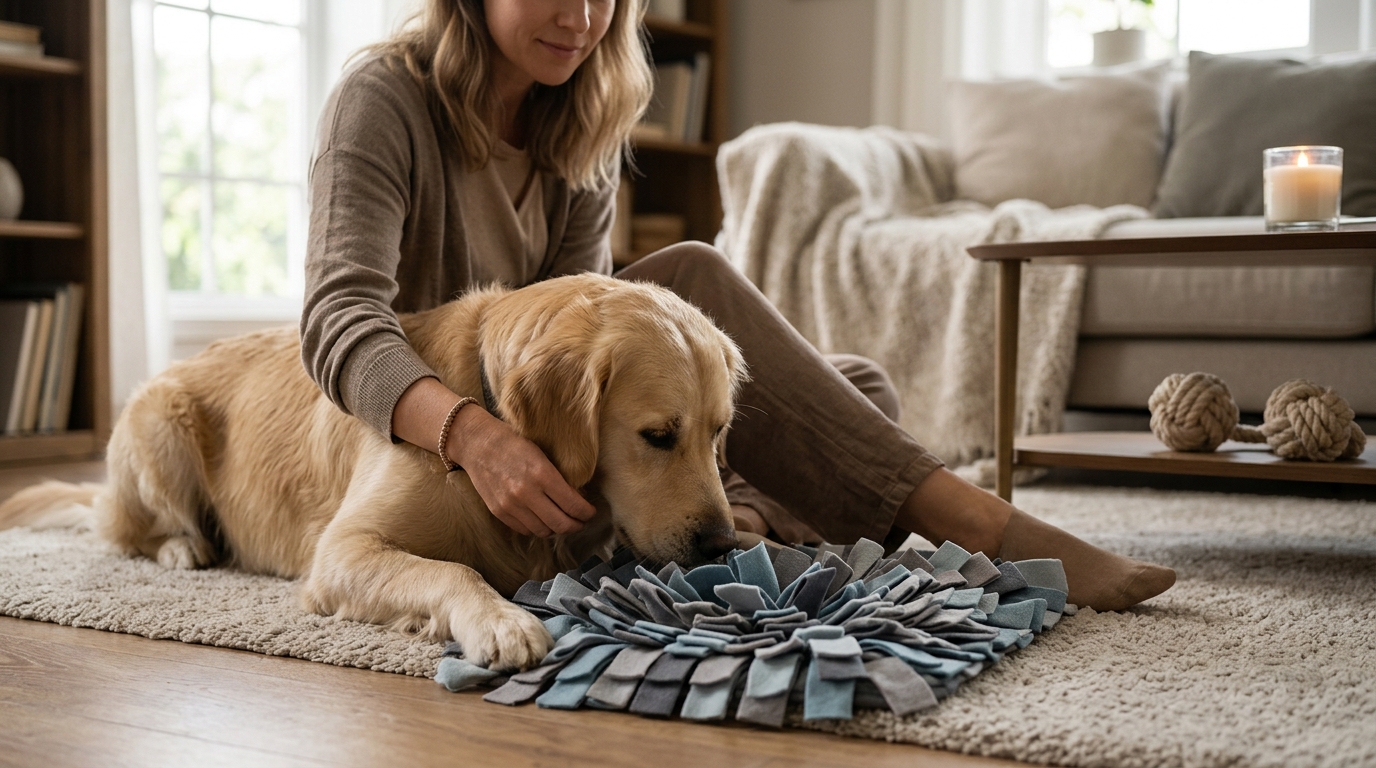
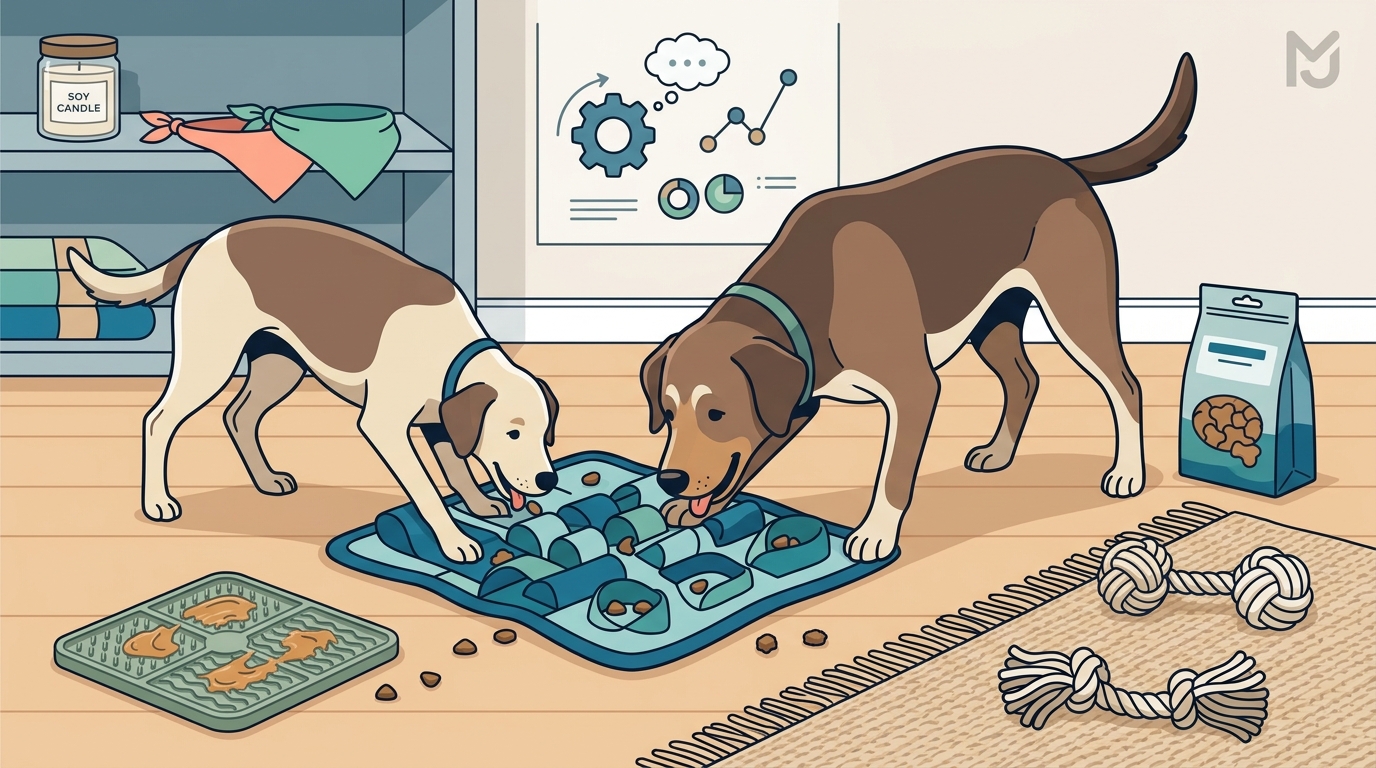
Nutritional enrichment turns mealtime into an activity. Instead of using a standard bowl, use food-dispensing toys, snuffle mats, or lick mats. This forces the pet to work for their food, slowing down eating and increasing satisfaction. It mimics the natural foraging behavior of wild ancestors. This method is particularly useful for pets that eat too quickly or suffer from food anxiety. It also provides a prolonged period of engagement after meals.
Canine-Specific Strategies
Dogs are pack animals with strong hunting and foraging instincts. Their enrichment needs often revolve around scent and social interaction. Nose work is the most effective way to tire a dog mentally. You can start simple by hiding treats in the living room and gradually increase the difficulty. Advanced nose work involves teaching your dog to identify specific scents on command. This skill can be developed through structured classes or home practice.
Training sessions should be short but frequent. Positive reinforcement is the gold standard for canine training. It builds trust and encourages willingness to learn. At Calm Paws Home, we recommend incorporating training into daily routines rather than setting aside separate hours. This makes learning a natural part of life. Teach your dog to find their bed on command, to greet guests politely, or to retrieve specific items. These skills provide mental stimulation and strengthen your bond.
Interactive toys are essential for dogs left alone during the day. Kong-style toys filled with frozen peanut butter or kibble can keep a dog occupied for hours. Rotate these toys regularly to maintain novelty. Boredom is the enemy of a well-behaved dog. By providing constant variety in their environment, you prevent the onset of destructive habits. Always supervise your dog with new toys to ensure safety.
Feline-Specific Strategies
Cats are solitary hunters with complex territorial needs. Their enrichment must respect their need for vertical space and hiding spots. Cat trees and wall-mounted shelves allow cats to survey their domain from above. This behavior reduces anxiety and provides a sense of security. Cats feel vulnerable when they cannot escape to a high place. Providing multiple vertical territories in your home is crucial for multi-cat households.
Play sessions for cats should mimic the hunt. Use wand toys to simulate prey movement. Allow the cat to "catch" the toy occasionally to provide the satisfaction of a successful hunt. This cycle of chase, catch, and kill is biologically satisfying. End each session with a small treat or meal to complete the predatory sequence. This routine helps regulate appetite and reduces nighttime activity.
Scratching is a natural behavior that must be accommodated. Provide a variety of scratching surfaces including sisal, cardboard, and wood. Place these surfaces near sleeping areas and entry points. If your cat is scratching furniture, redirect them to the appropriate surface. Do not punish the behavior. Punishment only creates fear and does not address the underlying need. Instead, reward the use of the scratching post with treats and praise. Consistency is key to retraining.
Selecting the Right Tools
Choosing the correct enrichment tools depends on your pet's individual personality and preferences. Some pets are food-motivated, while others are driven by play. Observe your pet closely to determine what excites them. Start with low-intensity options and gradually increase complexity. Here is a comparison of common enrichment tools to help you decide.
| Tool Type | Best For | Benefit | Calmpawshome Recommendation |
|---|---|---|---|
| Snuffle Mats | Dogs & Cats | Encourages natural foraging | DIY Snuffle Mat Guide |
| Puzzle Feeders | Dogs | Slows eating, challenges mind | Top Rated Puzzle Feeders |
| Wand Toys | Cats | Mimics prey movement | Interactive Wand Collection |
| Scent Kits | Dogs | Deep mental stimulation | Nose Work Classes
Quality matters when selecting enrichment tools. Cheap plastic toys can break easily and pose a choking hazard. Look for durable materials that are safe for chewing and scratching. At Calm Paws Home, we vet all our product recommendations for safety and efficacy. We prioritize items that offer long-term value and durability. Investing in high-quality tools saves money in the long run by reducing the need for frequent replacements.
Key Takeaways
- Mental stimulation is as vital as physical exercise for preventing behavioral issues.
- Enrichment covers five pillars: sensory, cognitive, physical, social, and nutritional.
- Dogs benefit most from scent work and structured training sessions.
- Cats require vertical space and predatory play cycles to feel secure.
- Nutritional enrichment slows eating and mimics natural foraging behaviors.
- Rotate toys regularly to maintain novelty and prevent boredom.
- Always supervise pets with new enrichment tools to ensure safety.
Frequently Asked Questions
How much enrichment does my pet need daily?
The amount of enrichment varies by species, breed, and age. Generally, 30 to 60 minutes of dedicated mental and physical activity per day is recommended for most adult dogs and cats. Puppies and kittens may need more frequent, shorter sessions. Senior pets may require gentler, low-impact activities. Listen to your pet's cues and adjust accordingly.
Can enrichment help with separation anxiety?
Yes, enrichment can significantly reduce separation anxiety. Providing food-dispensing toys or long-lasting chews when you leave can create a positive association with your departure. This distracts the pet and keeps them occupied. Over time, this can help them feel more comfortable being alone. Combine this with gradual desensitization training for best results.
What is the best way to introduce puzzle toys?
Start with an easy puzzle toy that requires minimal effort. Show your pet how it works by placing a treat inside and letting them figure it out. Gradually increase the difficulty as they become more proficient. Never force a pet to use a puzzle toy if they are frustrated. Keep the experience positive and rewarding.
How do I know if my cat is bored?
Signs of boredom in cats include excessive sleeping, loss of appetite, over-grooming, and destructive scratching. They may also become more vocal or aggressive. If you notice these behaviors, introduce new toys, change the layout of their space, or increase playtime. Consult a veterinarian to rule out medical causes for these changes.
Is scent work safe for all dogs?
Scent work is generally safe for most dogs, but it requires careful supervision. Ensure that the scents used are non-toxic and that the dog does not ingest any materials. Dogs with respiratory issues should avoid intense scent work. Always start with mild scents and short sessions. Gradually build up their stamina and skill level.
Can I do enrichment indoors?
Absolutely. Many enrichment activities can be done indoors. Hide treats around the house, use snuffle mats, and engage in indoor fetch or tug games. For cats, create climbing paths using furniture and cat trees. Indoor enrichment is essential for pets that live in apartments or have limited outdoor access. It keeps them engaged regardless of the weather.
How often should I rotate my pet's toys?
Rotate toys every one to two weeks to maintain novelty. If a toy is always available, it may lose its appeal. By putting some toys away and bringing others out, you create a sense of excitement. This strategy works for both dogs and cats. It also helps you monitor the condition of each toy for wear and tear.
Start Your Enrichment Journey
Transforming your pet's life through enrichment is a rewarding process that strengthens your bond and improves their well-being. At Calm Paws Home, we are dedicated to providing you with the resources and guidance needed to create a stimulating environment for your companion. Whether you need help selecting the right tools or want to learn advanced training techniques, our team is here to support you. Visit our services page to explore our personalized enrichment plans. Take the first step toward a calmer, happier pet today by booking a consultation with our experts.