
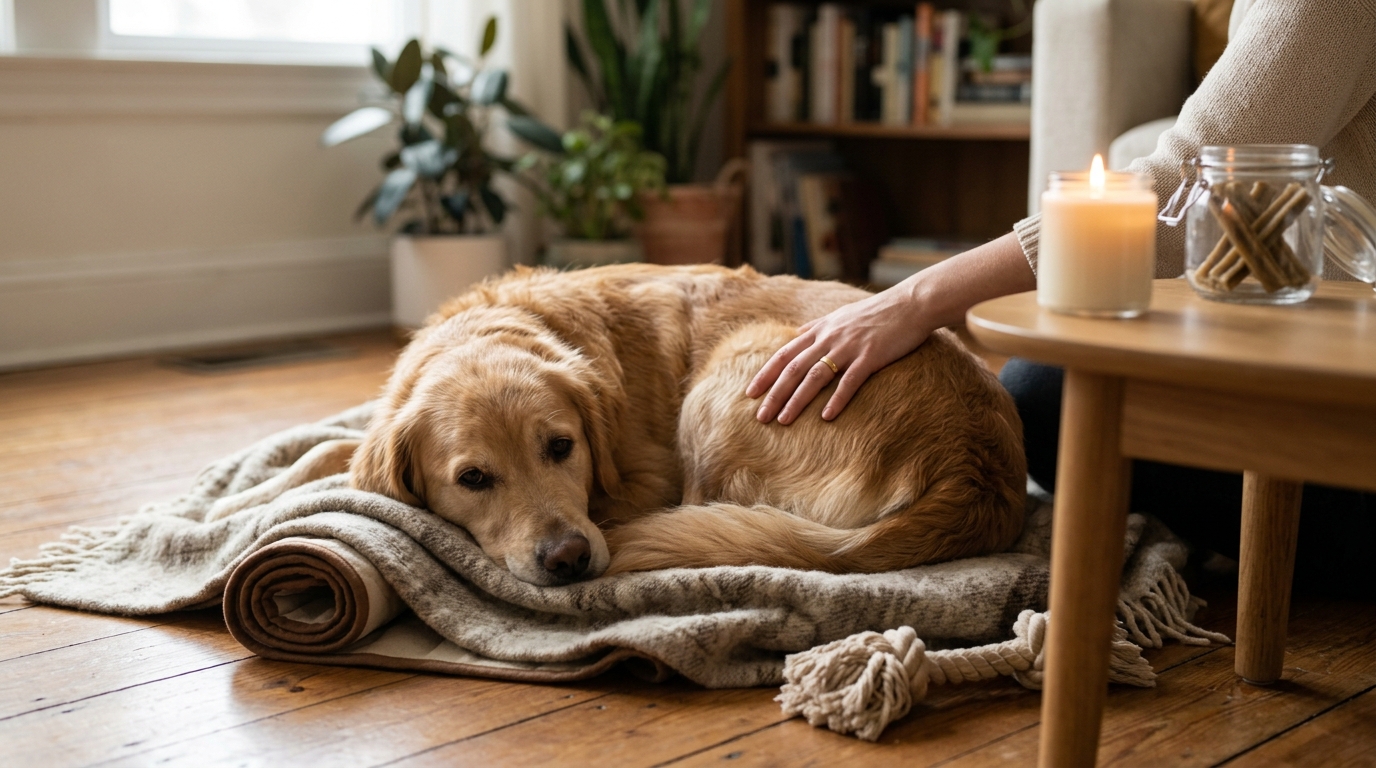
Step-by-Step Guide to Using Calming Chews and Aromatherapy for Dog Separation Anxiety
Separation anxiety is a pervasive behavioral challenge that affects a significant portion of the canine population, often manifesting as destructive chewing, incessant barking, or house soiling when left alone. According to the American Veterinary Medical Association, behavioral issues remain one of the leading causes of pet relinquishment to shelters, highlighting the urgent need for effective, non-pharmaceutical management strategies. This guide provides a structured protocol for integrating calming chews and aromatherapy into your dog's daily routine to foster a sense of security and reduce stress during periods of isolation.
Understanding Canine Separation Anxiety
Before introducing any intervention, it is critical to distinguish between normal distress and clinical separation anxiety. Separation anxiety is defined as a state of panic and distress that occurs when a dog is separated from their attachment figure. Unlike simple boredom, which can be alleviated with toys, anxiety requires a physiological and environmental approach to resolve.
Dogs are pack animals by nature. When left alone, many interpret the absence of their pack as a threat to their survival. This triggers a fight-or-flight response, flooding their system with cortisol and adrenaline. The goal of using calming chews and aromatherapy is to lower this physiological arousal, making it possible for the dog to relax and eventually sleep while alone.
For more insights on managing stress in dogs, you can explore our Calm Living blog for additional tips on creating a secure environment.
Selecting the Right Calming Chews
Calming chews serve as the internal foundation of your anxiety management plan. These supplements typically contain ingredients that support neurotransmitter function, promoting relaxation without sedation. When selecting a chew, look for evidence-based ingredients rather than proprietary blends with vague labeling.
Key Ingredients to Look For
Effective calming chews often rely on a combination of amino acids, herbs, and pheromones. The most common and scientifically supported ingredients include:
- L-Theanine: An amino acid found in tea leaves that promotes relaxation without drowsiness.
- L-Tryptophan: A precursor to serotonin, a neurotransmitter that regulates mood and sleep.
- Chamomile: A gentle herb known for its soothing properties.
- Valerian Root: Often used for its mild sedative effects in high-stress situations.
At calmpaws&home, we prioritize products that support this internal calm, ensuring that your dog receives high-quality, safe ingredients. You can view our For the Dog collection to find suitable options for your pet's specific needs.
Aromatherapy Fundamentals for Dogs
Aromatherapy works by engaging the olfactory system, which is directly linked to the limbic system, the part of the brain responsible for emotion and memory. By introducing specific scents, you can condition your dog to associate certain smells with safety and relaxation.
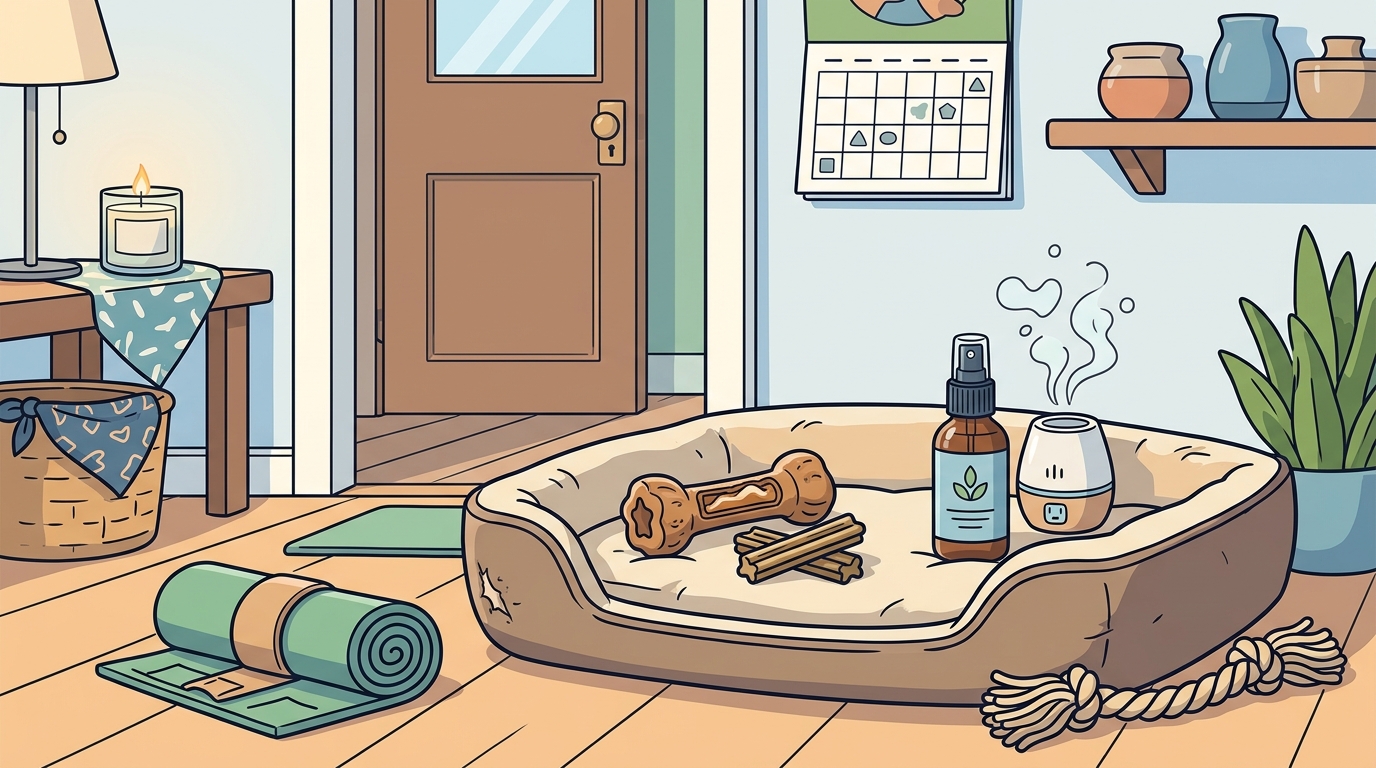
Safety First: Essential Oils
Not all essential oils are safe for dogs. Some, such as tea tree, peppermint, and citrus oils, can be toxic if ingested or applied to the skin. Always consult with a veterinarian before introducing new essential oils. Safe options typically include:
- Lavender: Widely recognized for its calming effects on both humans and dogs.
- Franincense: Known for its grounding and anti-inflammatory properties.
- Cedarwood: Provides a comforting, woody scent that can mask anxiety-inducing odors.
For a safer, pre-formulated alternative, consider using calming soy candles that are specifically designed with dog-safe pheromones and scents. These provide a consistent, low-level diffusion of calming agents without the risk of oil toxicity.
The Integration Protocol
Introducing calming tools requires a gradual process. Rushing the introduction can overwhelm your dog. Follow this step-by-step protocol to ensure success.
Step 1: The Pre-Departure Window
Administer the calming chew approximately 30 to 60 minutes before you plan to leave. This allows the ingredients to begin working in the bloodstream. Simultaneously, light a calming soy candle in the room where your dog will spend the majority of their time. The scent should be subtle, not overpowering.
Step 2: Create a Safe Zone
Designate a specific area, such as a crate or a quiet room, as your dog's safe zone. This area should contain their bed, water, and engaging toys like our Cotton Rope Tug Toy. The goal is to make this space associated with positive experiences, not punishment.
Step 3: Gradual Desensitization
Do not start with long absences. Begin by leaving the room for just five minutes while the chew and scent are active. Return before your dog shows signs of distress. Gradually increase the time by five-minute increments over several days. This process helps your dog learn that your departure is temporary and that the calming tools are effective.
Step 4: Monitor and Adjust
Use a pet camera to monitor your dog's behavior. If you notice signs of increased anxiety, such as pacing or whining, reduce the time away and consult with a professional trainer or veterinarian. You may also consider bundling products for a more comprehensive approach. Our Full Calming Bundle includes a rope toy, a calming candle, and other essentials to support this process.
Product Comparison and Selection
Choosing the right combination of chews and aromatherapy depends on your dog's specific triggers and preferences. The table below outlines the primary options available for managing separation anxiety.
| Product Type | Primary Benefit | Best For | Usage Frequency |
|---|---|---|---|
| Calming Chews | Internal physiological relaxation | High anxiety, acute stress events | Daily or as needed |
| Calming Soy Candle | Environmental scent diffusion | Mild to moderate anxiety | During absences |
| Snuffle Mat | Mental stimulation and focus | Boredom-induced anxiety | Daily enrichment |
| Bundle Sets | Comprehensive multi-sensory support | New adopters, severe cases | As directed |
For those looking to customize their approach, our Bundles / Gift Sets allow you to mix and match products to create a tailored anxiety management kit.
Key Takeaways
- Separation anxiety is a clinical condition that requires patience and a structured approach to management.
- Calming chews work internally to balance neurotransmitters, while aromatherapy works externally to soothe the environment.
- Always prioritize dog-safe ingredients, avoiding toxic essential oils like tea tree and peppermint.
- Gradual desensitization is crucial; do not rush the process of increasing alone time.
- Combining products, such as using a calming candle with a tug toy, creates a multi-sensory calming effect.
- Monitor your dog's progress using video recording to adjust the protocol as needed.
- Consistency is key; establish a routine that includes calming tools before every departure.
Frequently Asked Questions
How long does it take for calming chews to work?
Most calming chews begin to take effect within 30 to 60 minutes. It is important to administer them well before your departure to ensure your dog is relaxed when you leave.
Can I use essential oils directly on my dog?
No, applying essential oils directly to a dog's skin or fur can be dangerous and lead to toxicity. Always use diffusers, candles, or specifically formulated dog sprays that are diluted and safe for canine use.
What is the best way to introduce a snuffle mat?
Start by placing treats on the surface of the mat and let your dog sniff them out. Gradually bury the treats deeper into the fabric to increase the mental challenge and engagement time.
How often should I use a calming candle?
Use the candle during periods when your dog is alone or when you are trying to establish a calm routine. It can be used daily to help maintain a consistent scent profile associated with safety.
Are calming chews safe for long-term use?
Yes, most high-quality calming chews are designed for regular use. However, it is always recommended to consult with your veterinarian to ensure the ingredients are appropriate for your dog's specific health profile.
What should I do if my dog still shows anxiety?
If anxiety persists despite using chews and aromatherapy, consider consulting a professional dog trainer or a veterinary behaviorist. They can provide a tailored behavior modification plan.
Can I combine different calming products?
Yes, combining products can enhance the calming effect. For example, using a snuffle mat while listening to calming music and using a calming candle creates a comprehensive relaxation environment.
Start Your Calm Journey
Managing separation anxiety is a journey that requires patience, consistency, and the right tools. By integrating calming chews and aromatherapy into your dog's routine, you can help them feel safer and more secure when you are away. Explore our curated collection of calming products at calmpaws&home to find the perfect combination for your pet. Visit our Bundles / Gift Sets to save on comprehensive anxiety management kits and begin creating a calmer home today.