Compulsive licking is one of the most common behaviors dog owners encounter, yet it often sparks confusion about whether it is a sign of affection or a symptom of distress. Recent behavioral studies indicate that approximately 30% of domestic dogs exhibit excessive licking patterns that require intervention to prevent skin irritation or anxiety escalation. Understanding the root cause of this behavior is the first step toward managing it effectively. This guide explores the science behind canine licking, how to distinguish between normal and problematic habits, and how to use targeted enrichment tools to promote calmness.
Understanding the Behavior
Licking is a multifaceted communication tool in the canine world. It serves as a primary method for social bonding, exploration, and self-soothing. When a dog licks its owner, it is often attempting to mimic the behavior of puppies licking their mothers for food or attention. This action triggers the release of endorphins in both the dog and the human, creating a mutual sense of comfort and connection.
However, licking also functions as a sensory exploration method. Dogs have a highly developed sense of taste and smell, allowing them to gather significant information about their environment through oral contact. Licking is [a natural instinctual behavior used for communication, exploration, and self-regulation]. When a dog investigates a new object or surface, they are often tasting residual scents or textures to understand their surroundings better.
For many dogs, licking becomes a coping mechanism during times of stress or uncertainty. Just as humans might bite their nails or fidget with jewelry, dogs may lick their paws, the air, or inanimate objects to release calming neurochemicals. This self-soothing behavior is particularly common in high-energy breeds or dogs experiencing environmental changes, such as moving to a new home or the arrival of a new family member.
Licking vs. Compulsion
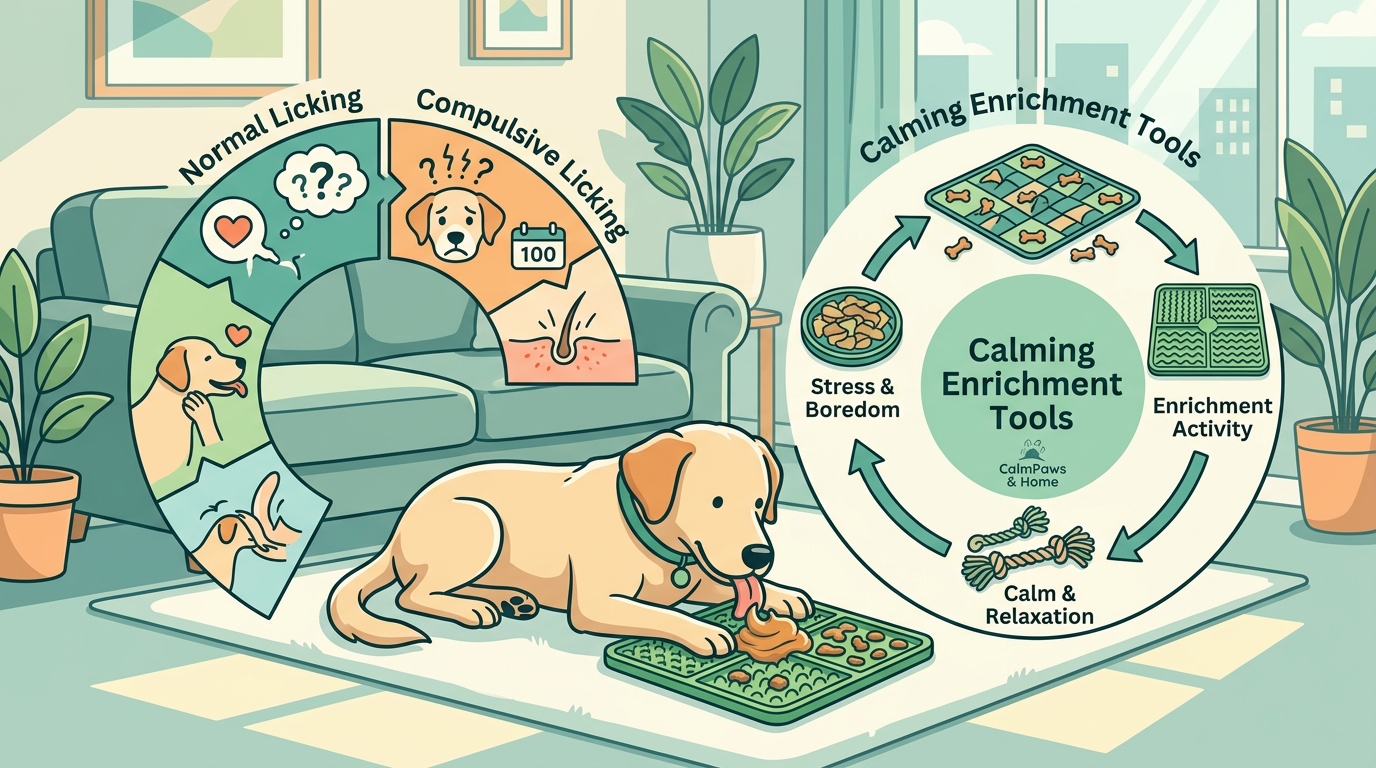
Distinguishing between normal licking and compulsive behavior is critical for maintaining your dog's physical and mental health. Normal licking is typically intermittent, context-dependent, and stops when the dog is distracted or satisfied. In contrast, compulsive licking is persistent, often occurring in the absence of an obvious trigger, and can lead to physical harm.
Compulsive licking, sometimes referred to as lick granuloma or acral lick dermatitis, is a serious condition that requires veterinary attention. Compulsive licking is [a pathological behavior characterized by repetitive, uncontrollable licking that causes tissue damage]. This condition often stems from underlying issues such as severe anxiety, obsessive-compulsive disorder (OCD), or medical problems like allergies or pain.
If you notice your dog licking the same spot repeatedly, creating a sore or bald patch, it is essential to consult a veterinarian. Medical causes must be ruled out before addressing behavioral components. Common medical triggers include flea allergies, food sensitivities, or joint pain that manifests as oral fixation. Once medical issues are addressed, behavioral interventions and environmental enrichment become the primary tools for recovery.
Enrichment Tools for Calmness
Providing appropriate outlets for licking can significantly reduce anxiety and prevent destructive behaviors. Enrichment tools designed to encourage slow, focused licking help channel this natural instinct into a calming activity. These tools are particularly effective for dogs who struggle with separation anxiety or hyperactivity.
One of the most effective tools is the snuffle mat, which encourages foraging behavior. Sniffing is [a high-intensity mental activity that tires dogs faster than physical exercise]. By hiding treats within the fabric strips of a snuffle mat, you engage your dog's powerful olfactory system, promoting a state of calm focus. This activity mimics the natural foraging behavior of wolves, providing deep mental satisfaction.
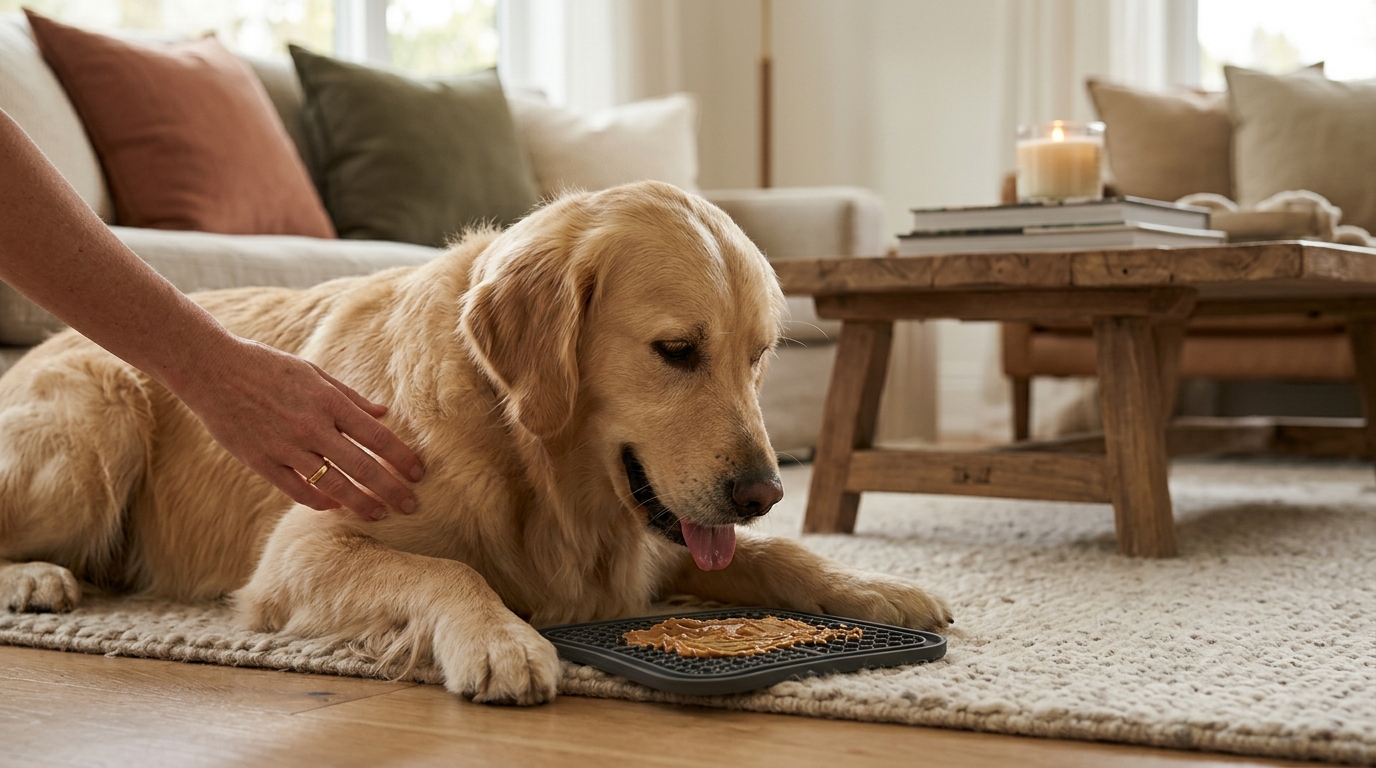
Lick mats and lick toys are another excellent option for managing licking behavior. These tools allow you to spread peanut butter, yogurt, or wet food onto a textured surface, encouraging prolonged licking sessions. The rhythmic motion of licking releases endorphins, helping to soothe anxious dogs. At CalmPaws & Home, we offer a range of enrichment toys designed to support this calming process.
Consider incorporating rope toys with treat balls into your daily routine. These toys combine the tactile satisfaction of chewing with the mental challenge of extracting treats. Rope Toy with Treat Ball is a popular choice for dogs who enjoy interactive play. The combination of textures and the reward mechanism keeps dogs engaged for extended periods, reducing boredom-related licking.
The Power of Sniffing
While licking is a powerful calming tool, sniffing is equally important for canine mental health. Research suggests that a twenty-minute sniffing session can tire a dog more than an hour of brisk walking. This is because sniffing requires intense mental concentration and engages multiple brain regions associated with memory and emotion.
Integrating sniffing games into your daily routine can help manage licking behavior by providing an alternative outlet for exploration. The Power of Sniffing: Why Scent Matters explores this concept in depth, highlighting how scent work can transform a restless dog into a calm companion. Simple games like hiding treats around the house or using a snuffle mat can provide this mental stimulation.
For dogs who struggle with indoor restlessness, the Calming Snuffle Mat – Flower offers a structured way to engage their sense of smell. The floral design is not only aesthetically pleasing but also provides a consistent texture that dogs enjoy manipulating. This tool is ideal for rainy days or when outdoor walks are not possible.
Product Comparison
Choosing the right enrichment tool depends on your dog's specific needs and preferences. Below is a comparison of popular options available at CalmPaws & Home to help you make an informed decision.
| Product | Primary Benefit | Best For | Price |
|---|---|---|---|
| Cotton Rope Tug Toy | Interactive play and dental health | High-energy dogs | $11.99 |
| Calming Snuffle Mat – Flower | Mental stimulation via scent | Anxious or bored dogs | $16.99 |
| Rope Toy with Treat Ball | Foraging and chewing | Food-motivated dogs | $14.99 |
| Full Calming Bundle | Comprehensive enrichment | New dog owners | $35.97 |
Key Takeaways
- Licking is a natural behavior used for communication, exploration, and self-soothing in dogs.
- Compulsive licking can lead to physical harm and requires veterinary intervention.
- Sniffing is a high-intensity mental activity that tires dogs faster than physical exercise.
- Enrichment tools like snuffle mats and lick toys promote calmness through focused engagement.
- At CalmPaws & Home, we offer thoughtfully designed products to support canine well-being.
- Regular mental stimulation is essential for preventing boredom-related behaviors.
- Combining physical play with scent work provides a balanced approach to dog enrichment.
Frequently Asked Questions
Why does my dog lick me constantly?
Dogs often lick their owners as a sign of affection, a request for attention, or a way to taste residual salts on the skin. It can also be a self-soothing behavior during times of stress.
How can I stop my dog from licking excessively?
Identify the underlying cause, whether it is medical or behavioral. Provide appropriate enrichment tools like snuffle mats or lick toys to redirect the behavior. Consult a veterinarian if the licking causes skin damage.
Are lick mats safe for dogs?
Yes, lick mats are safe and beneficial for dogs. They encourage slow eating and provide mental stimulation. Ensure the mat is made of non-toxic materials and supervise your dog during use.
What is the difference between licking and compulsive licking?
Normal licking is intermittent and context-dependent, while compulsive licking is persistent and often occurs without an obvious trigger. Compulsive licking can lead to physical harm and requires professional intervention.
How does sniffing help calm a dog?
Sniffing engages the olfactory bulb, which is directly connected to the amygdala, the brain's emotional center. This activation promotes a state of calm focus and reduces anxiety.
Can I use peanut butter on a snuffle mat?
Yes, peanut butter is an excellent treat to use with snuffle mats. It encourages dogs to work for their food, extending the duration of the activity and providing greater mental stimulation.
What products does CalmPaws & Home offer for anxious dogs?
CalmPaws & Home offers a range of products including snuffle mats, rope toys, and calming bundles designed to support canine well-being. Visit our shop to explore these options.
Shop Now
Transform your dog's daily routine with thoughtfully designed enrichment tools. At CalmPaws & Home, we believe that a calm dog makes a happy home. Explore our collection of snuffle mats, rope toys, and calming bundles to support your dog's mental and physical well-being. Shop our bundles today and start your journey toward a calmer, happier companion.